Networks & InfrastructureTimInwitTower InfrastructureInfrastructure Sharing
TIM gives Inwit until spring before going it alone on towers
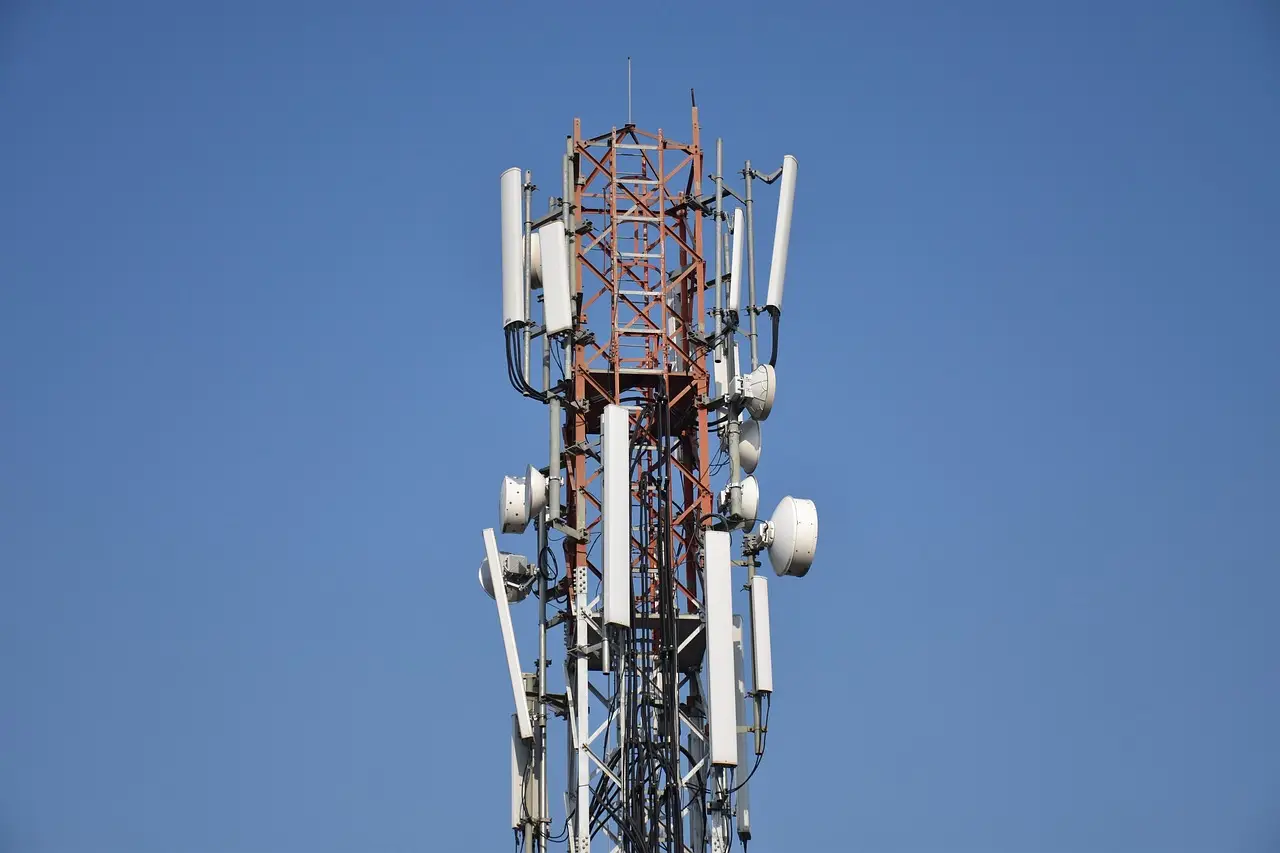
TIM CEO Pietro Labriola says the operator will build its own towers if Inwit doesn't accept its November 6 price offer by early April, with no resolution in sight.
 Networks & Infrastructure
Why it matters
- TIM set a March/early April deadline to resolve its tower dispute with Inwit or proceed with its own plan.
- Inwit claims the TIM contract is valid through 2038 and will fight the termination notice in court.
- TIM restated its original proposal to Inwit in a formal letter on November 6.
- Cullen International found only 12 of 58 European telcos fully own their towers.
- TIM is also in a separate dispute with FiberCop over fixed-line wholesale prices.
The story
Telecom Italia has set a spring deadline in its tower dispute with Inwit, saying it will walk away and build its own passive infrastructure if the towerco doesn't accept its price by "March, beginning of April."
The warning came from TIM CEO Pietro Labriola on the operator's latest earnings call. "If nothing happens by March, beginning of April, we have our plan to proceed further," he said. He framed the timeline as a last resort rather than a preference.
"I don't want to fight just for the fighting," Labriola said. "It's clear that the best end game should be to proceed within Inwit, and this is what I always stated."
What is TIM actually offering?
The operator sent Inwit a formal letter on November 6 restating a proposal it first tabled when the row began. "What we are offering today is exactly what [we] formally sent them at the beginning of all the discussion," Labriola said. In his words, the ball is now in Inwit's court.
The dispute dates to March, when TIM said it wanted to terminate its contract with Inwit and cited a desire to optimize its infrastructure cost base. The move came shortly after Fastweb+Vodafone took a similar step, accusing Inwit of overcharging. The two operators then signed a deal to jointly build a new towerco.
Inwit's position is blunt. It claims the TIM contract runs through 2038, that the termination notice has no legal grounds, and that it will oppose it "in all competent legal venues." It also maintains its charges are "extremely competitive."
Regulator Agcom has since mandated a form of assisted negotiation between the two sides. Labriola described it as "couples therapy." It hasn't produced an agreement, though Inwit general manager Diego Galli said the process was helpful overall on the towerco's Q3 call.
Why did TIM lose control of its towers?
The backstory is a familiar one of debt reduction. Inwit was spun out of Telecom Italia in 2015. TIM lost its majority stake in 2020, when Inwit merged with Vodafone Italy's tower business, and in 2024 TIM sold all its directly owned Inwit shares.
The divestments eased the telco's debt burden. The catch: TIM became dependent on Inwit for the infrastructure underpinning its mobile network, on terms it no longer controls. Labriola conceded that going it alone would be complex, but argued it's possible. TIM has already forged a partnership with Vodafone this year — proof, if any were needed, that life after tower ownership is harder than the sale prospectus suggested.
Could this spread across Europe?
The wider significance goes beyond Italy. Reuters has argued the outcome could affect other European tower firms such as Cellnex, because once one telco recuts a tower contract, others may follow. Moody's has separately warned that inflation could push up tower lease costs, with companies holding inflation-linked contracts without price caps most exposed.
And TIM is far from an outlier. An analysis of 23 European markets by Cullen International last year found that of 58 telcos:
- only 12 fully owned their towers;
- 23 spun them into a separate company with partial ownership retained;
- another 23 sold them entirely.
Among the majors, Orange stands alone in keeping full control. BT's towers sit in MBNL, a 50:50 joint venture with Three UK, now a subsidiary of VodafoneThree. Telefónica sold its Spanish and German towers to American Tower in 2021. Deutsche Telekom sold a 51% stake in its tower business the following year. Vodafone spun out Vantage Towers and has owned 50% since 2024, with institutional investors holding the rest.
Outside Europe, one operator is rowing the other way. MTN, active in Africa and the Middle East, has struck a deal to buy IHS Towers, though regulatory hurdles remain.
What happens next?
There's no clear timeline for a resolution, and TIM's dispute over passive infrastructure isn't its only one. The operator is also fighting FiberCop, the company that now owns its fixed-line assets, over wholesale prices.
All of this unfolds as TIM opens a new chapter under Poste Italiane control. The lesson so far: selling your towers cuts debt, but the lease bill comes due eventually.
Also reported
Original: telecoms.com
More from Amara Osei
Show full bio
News editor covering technology and product news in Carrier business, 5G and 6G, fiber and broadband at Telecom Gazette.
533 articles