Vendors & EquipmentTejas NetworksQualcomm6gIsac
Tejas Networks Doubles Revenue, Chases 6G Credibility With Qualcomm
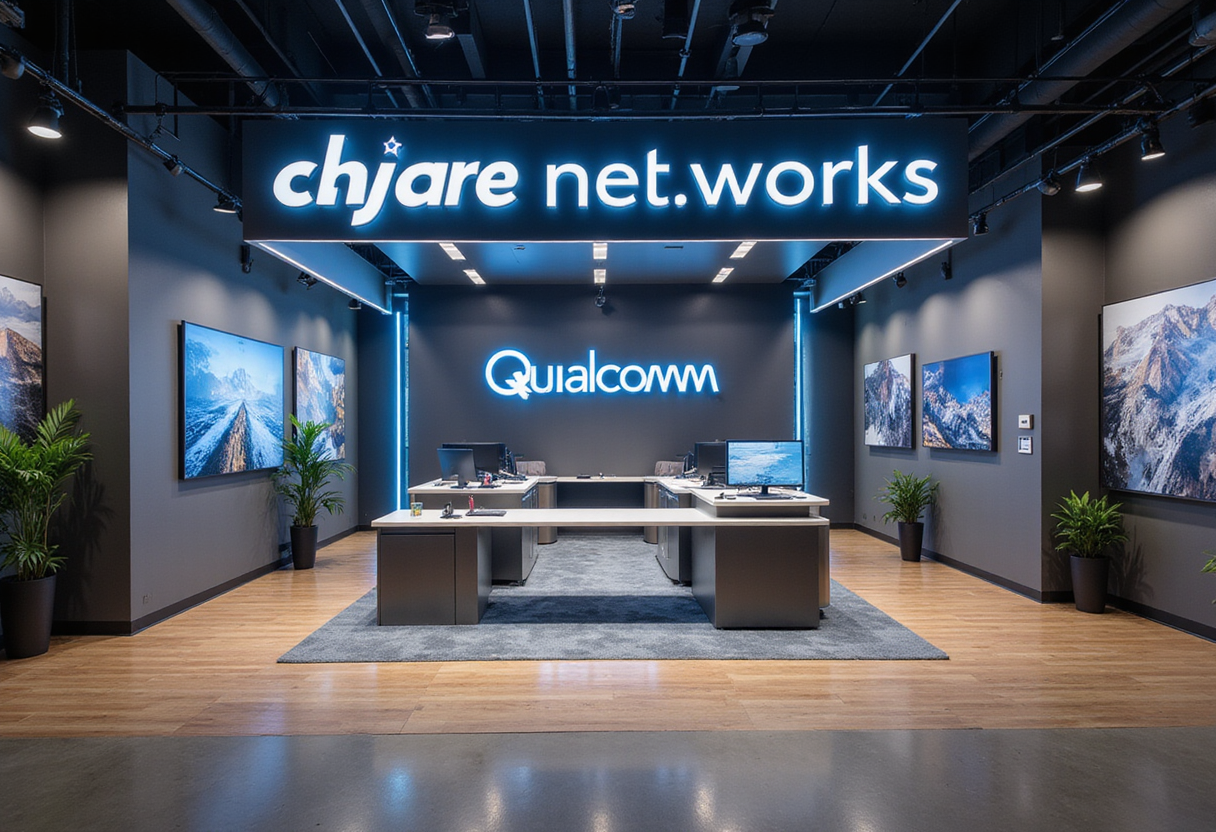
Tejas Networks doubled Q1 FY27 revenue to ₹402.16 crore but widened its loss to ₹202.24 crore, while showcasing pre-standard 6G ISAC tech with Qualcomm at IMC 2026.
 Vendors & Equipment
Why it matters
- Tejas Networks posted Q1 FY27 net revenue of ₹402.16 crore, up 99.11% YoY, with a net loss of ₹202.24 crore
- Tejas and Qualcomm are demonstrating pre-standard 6G ISAC technology at IMC 2026 in New Delhi, targeting commercial 6G by 2029
- A ₹1,537 crore TCS Letter of Intent covers BSNL 4G RAN supply across 18,685 sites, exceeding Tejas's ₹1,529 crore backlog
- Net debt stood at ₹4,277 crore with ₹2,358 crore in inventory at the end of Q1 FY27
- India's Bharat 6G Vision targets 10% of global 6G patents by 2030 and $1.2 trillion GDP contribution by 2035
The story
Tejas Networks nearly doubled its consolidated net revenue to ₹402.16 crore in Q1 FY27, up 99.11% year-on-year from ₹201.98 crore, even as it deepened its net loss to ₹202.24 crore for the quarter ended June 30, 2026. Against that mixed financial backdrop, the Indian vendor is staking a claim in next-generation technology: it is demonstrating pre-standard 6G Integrated Sensing and Communications (ISAC) technology with Qualcomm at the India Mobile Congress (IMC) 2026 in New Delhi.
The demonstration builds on a global 6G development coalition the two companies initiated in early 2026, which targets commercially deployed 6G systems by 2029. ISAC merges sensing and transmission into a single radio architecture, and the demo places Tejas among vendors — alongside Qualcomm, Jio and Nokia — working on AI-native, pre-standard 6G designs before specifications freeze in 2028-2029.
What Do the Numbers Say?
The commercial picture complicates the 6G narrative. Key Q1 FY27 figures:
- Net revenue: ₹402.16 crore, up 99.11% YoY
- Net loss: ₹202.24 crore, versus ₹193.87 crore in Q1 FY26
- Order book: ₹1,529 crore, with domestic orders at 93% and international at 7%
- Inventory: ₹2,358 crore
- Net debt: ₹4,277 crore
The widening loss stems largely from heavy R&D and inventory expenses, with the net debt load incurring significant finance costs and dragging on operational cash.
Where Does the Real Money Come From?
The near-term revenue engine is not 6G but BSNL's 4G rebuild. In August 2026, Tejas secured a ₹1,537 crore Letter of Intent from Tata Consultancy Services to supply RAN equipment for BSNL's 4G rollout across 18,685 sites. That single order exceeds the company's entire consolidated backlog of ₹1,529 crore at the end of June 2026, giving it a highly visible pipeline for coming quarters.
In July 2026, the Department of Telecommunications also signed an MoU to establish a 350-acre Telecom Manufacturing Zone in Gwalior, Madhya Pradesh, with Tejas among the primary anchor tenants — reinforcing its position in India's push for indigenous telecom manufacturing.
Why Does the 6G Demo Matter?
Regulatory and policy context frames the showcase. Under the 'Bharat 6G Vision', India aims to secure 10% of global 6G patents by 2030, and next-generation networks are projected to contribute $1.2 trillion to national GDP by 2035. A working ISAC demonstration alongside Qualcomm gives Tejas technical credibility in the standardization process that will define vendor eligibility for high-margin, next-gen hardware tenders from state-run and private operators.
The collaboration also marks a structural shift for the company, from pure equipment manufacturer toward deep-tech co-developer, backed by the Tata Group ecosystem.
What Are the Risks?
Three factors could undermine the story:
- Cash burn: ₹4,277 crore of net debt incurs significant finance costs and could delay bottom-line recovery
- Standardization delays: a slip past the 2028-2029 timeline would stretch long-term R&D capitalization
- Inventory execution: slow component offtake in the BSNL network could trigger inventory write-downs
Execution of the ₹1,537 crore BSNL order, reduction of the ₹2,358 crore inventory pile, and further international wins for its 5G and optical platforms are the milestones to watch over the next 3-12 months. The 6G ISAC showcase validates Tejas's deep-tech credentials; converting that credibility, and the BSNL pipeline, into actual profitability remains the company's central challenge as commercial 6G deployment begins in 2029.
Also reported
Original: sahi.onelink.me
More from Elena Vasquez
Show full bio
Market editor covering consumer brands and retail at Telecom Gazette.
99 articles