5G & 6GSpacexStarlinkQualcomm DragonwingMassive Mimo
SpaceX selects Qualcomm for phased nationwide Starlink 5G build
SpaceX has selected Qualcomm's Dragonwing platforms and 64T64R Massive MIMO radios for a phased, multi-band nationwide terrestrial 5G build, with no dates or subscriber targets yet.
 5G & 6G
Why it matters
- Starlink Mobile plans 64T64R Massive MIMO radios with 64 transmit and 64 receive paths.
- The US terrestrial 5G infrastructure is designed for a multi-band rollout in phases.
- Qualcomm's QRU100 handles Massive MIMO radio processing; QDU100 handles Layer 1 processing for distributed units.
- Dragonwing platforms include commercial-grade Layer 1 software for large-scale base stations.
- Both companies frame the collaboration as a step toward AI-native 6G, without a trial date.
The story
By Amara Osei
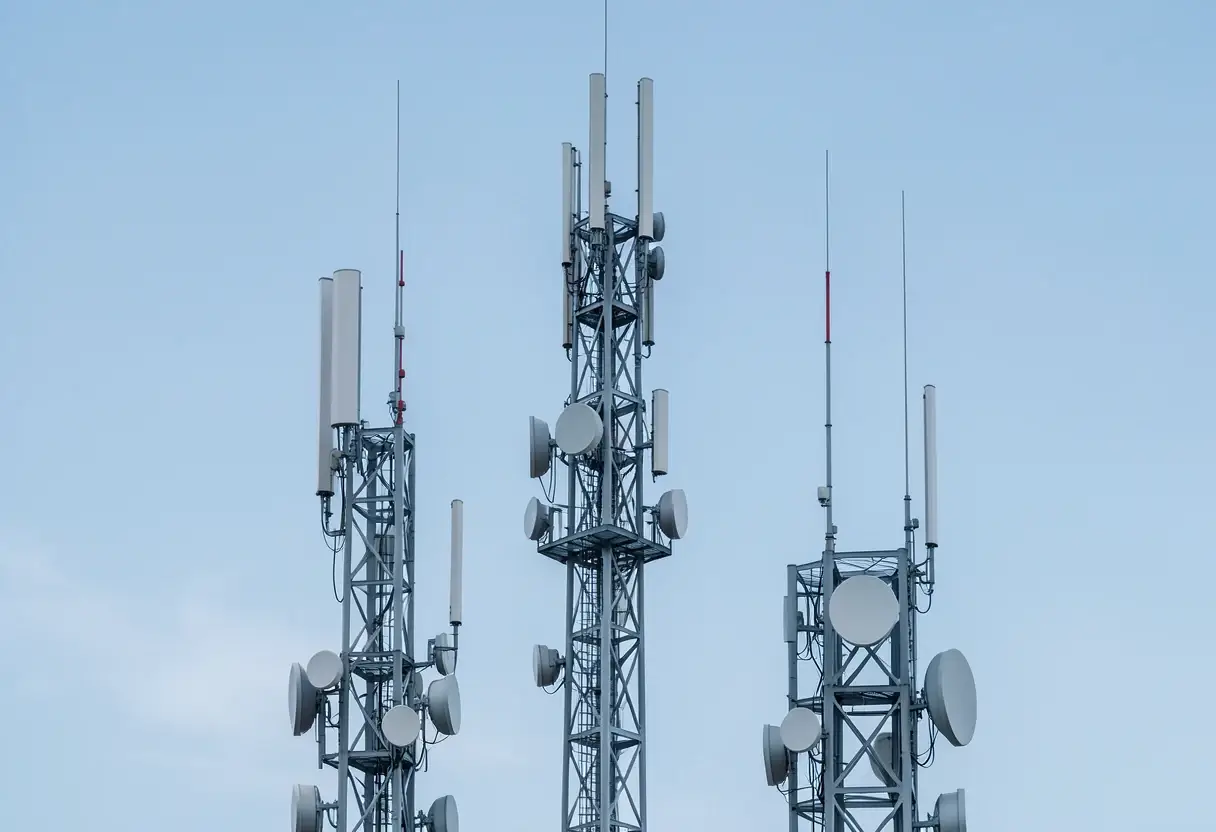
SpaceX plans to deploy 64T64R Massive MIMO radio units from Qualcomm Technologies for Starlink Mobile’s nationwide terrestrial 5G network in the United States, with 64 transmit and 64 receive paths per unit. Infrastructure for the multi-band build is designed for a phased rollout, although neither company disclosed dates, launch sites or subscriber targets.
The announcement starts with hardware, not an operating result. It gives no contract value, spectrum allocation, terrestrial coverage footprint, throughput figure or measured power saving. Those omissions matter: a radio configuration can be precise while a network plan remains unfinished.
Which Qualcomm platforms are involved?
Qualcomm’s Dragonwing Cellular Infrastructure platforms will supply QRU100 radio units, QDU100 baseband processing and commercial-grade Layer 1 software for large-scale base-station deployments. The QRU100 handles Massive MIMO radio processing; the QDU100 manages Layer 1 processing for distributed units. Functionally, the former works at the radio layer and the latter at the distributed-unit Layer 1 layer.
Qualcomm says the combined design should improve network capacity and reduce power consumption. Its stated aim is higher processing efficiency across the network, but the announcement contains no comparison with another platform, vendor or measured deployment. The claim remains a design objective, pending field performance.
The 64T64R designation means 64 transmit paths and 64 receive paths on each radio unit. Qualcomm says this should increase coverage, capacity and spectral efficiency across the phased, multi-band build. That is the central engineering bet in the project, though not yet a demonstrated service outcome.
SpaceX describes itself as a multi-segment aerospace, connectivity and artificial-intelligence company. Qualcomm describes itself as a global wireless-computing and semiconductor company. Their agreement therefore joins Starlink’s satellite-and-terrestrial network plan with Qualcomm’s radio, baseband and software platforms.
What does “nationwide” actually cover?
Michael Nicolls, senior vice president at Starlink, said: “Starlink is building the first fully-integrated nationwide satellite and terrestrial network that will keep people connected no matter where they are.” He said Qualcomm’s expertise and platform would accelerate the timeline for developing Starlink’s end-to-end base-station architecture, but no revised deployment date was supplied.
For now, “nationwide” describes an intended footprint rather than a completed one. The release names no terrestrial launch markets, road or indoor coverage, radio-site count, customer base or pricing. It also gives no throughput number or independent evidence for Nicolls’s “first” claim, leaving the commercial scale impossible to quantify from the announcement.
The distinction is less glamorous than the first claim, but more useful. Starlink has committed to a technology choice and a phased deployment direction; it has not reported a nationwide terrestrial network in operation. The hardware plan is concrete; the service footprint is not.
The announcement also stops short of regulatory detail. It identifies no spectrum authorization, site-licensing sequence or approval timetable for the terrestrial sites. Those matters will determine when “nationwide” can become a service label rather than a construction goal.
How far does the AI-native 6G claim go?
Durga Malladi, Qualcomm’s executive vice president and general manager for Technology Planning, Edge Solutions and Data Center, said the companies were “advancing 5G today, with an opportunity to lay the foundation for AI-native 6G in the years ahead.” Both companies describe the current collaboration as a step toward longer-term, AI-native 6G infrastructure.
Malladi said a nationwide build demands high performance and power efficiency at every site. He characterized the Dragonwing combination of advanced Massive MIMO, purpose-built processing and commercial-grade Layer 1 software as supporting an exceptional national network, and called the US infrastructure world-leading. Those are promotional judgments, not independently reported benchmarks.
The announcement gives no 6G trial, standards milestone, product schedule or investment figure. “AI-native 6G” also remains undefined. For that longer-term proposition, the timeline is years in general rather than specific enough for procurement, regulation or a coverage promise.
SpaceX and Qualcomm have specified the intended architecture and Qualcomm’s role in its radio, processing and software layers. They have not established when it will operate, how many people it will serve or how it will perform. The next milestones are practical rather than rhetorical: dated site launches, spectrum approvals, measured capacity gains and lower power use.
Also reported
Source: Google News: 5G network
More from Amara Osei
Show full bio
News editor covering technology and product news in Carrier business, 5G and 6G, fiber and broadband at Telecom Gazette.
476 articles