Video & BroadcastKarachi Safe CityVideo SurveillanceAnprFacial Recognition
Sindh releases Rs5.77bn for 2,300-camera Karachi Safe City phase
Sindh cabinet released Rs5.766bn for Karachi Safe City phase two: 2,300 cameras, most with ANPR and facial recognition, delivered by NRTC under an 18-month deadline.
 Video & Broadcast
Why it matters
- Sindh Cabinet approved Rs5.766bn for Karachi Safe City phase two, to be commissioned within 18 months.
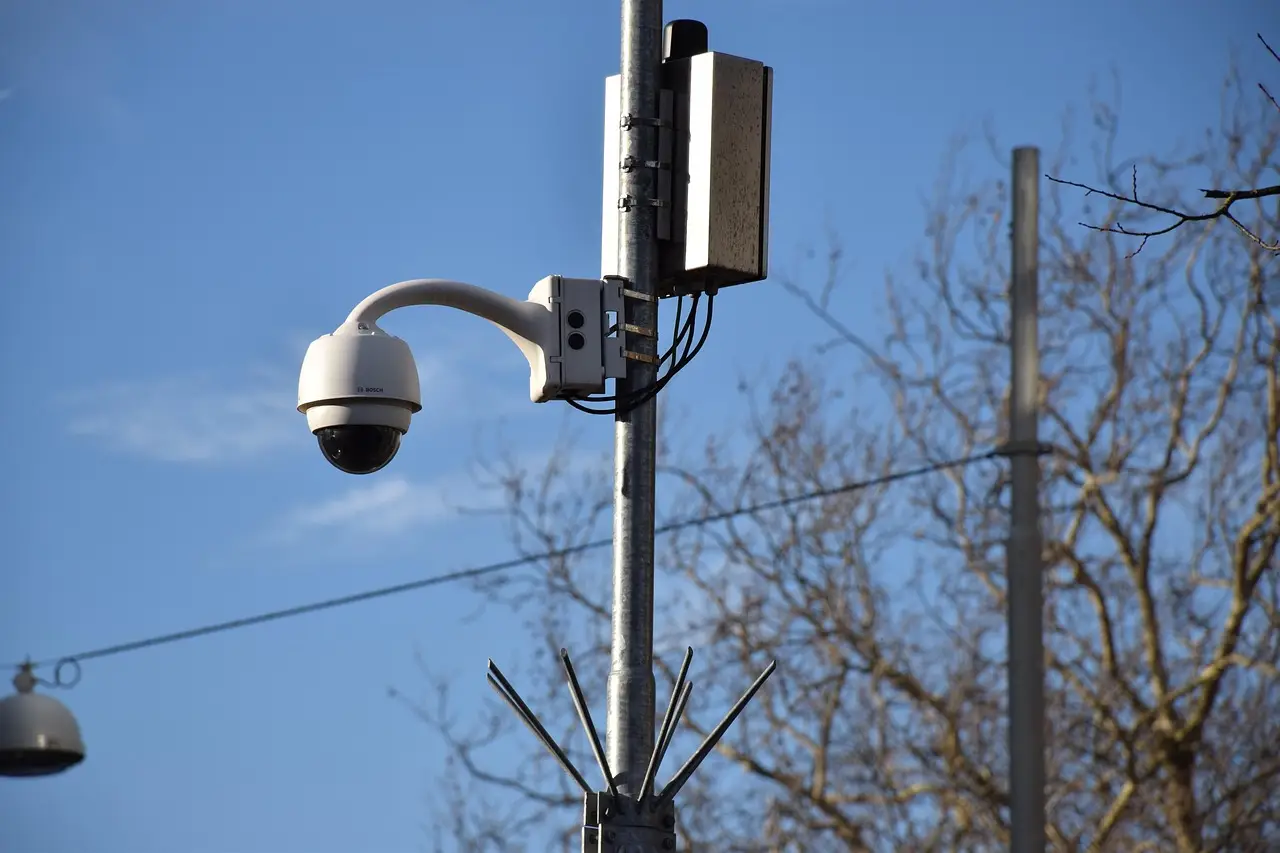
- Phase two covers 2,300+ cameras: 870 general, 1,300 with ANPR and facial recognition, 80 for traffic enforcement.
- Contract value with NRTC is Rs8.871bn against an approved project cost of Rs9.406bn on a government-to-government basis.
- Full plan targets nearly 10,000 cameras at over 2,000 locations across Karachi after all phases.
- Cabinet also cleared Rs637.02m in outstanding number-plate liabilities and Rs1.5bn additional procurement budget.
The story
The Sindh Cabinet approved the release of Rs5.766 billion on Thursday for phase two of the Karachi Safe City Project, with a directive that the surveillance network be commissioned within 18 months. Senior Minister Sharjeel Memon confirmed the figure while briefing reporters after the cabinet meeting in Karachi.
Phase two adds more than 2,300 cameras to the city's security infrastructure. The breakdown is concrete: 870 cameras for general surveillance, 1,300 equipped with Automatic Number Plate Recognition and facial recognition, and 80 dedicated to traffic enforcement. The full plan, across all phases, envisages nearly 10,000 cameras at over 2,000 locations citywide.
What does the contract structure change?
The delivery model matters as much as the money. Memon said the contract is being executed on a government-to-government basis and has not been awarded to any private company. According to a CM House press statement, the project carries an approved cost of Rs9.406 billion and a contract value of Rs8.871 billion with the National Radio and Telecommunication Corporation, the state-owned defence-linked manufacturer supplying the surveillance hardware.
Chief Minister has directed Home Minister Ziaul Hassan Lanjar to personally monitor progress and ensure commissioning within the stipulated 18 months. That timeline is roughly a year and a half from approval to operation, an ambitious schedule for a camera network of this scale.
How does the ANPR and facial recognition layer work for practitioners?
For operators and integrators, the composition of phase two signals the intent. Of the 2,300-plus cameras, more than half carry ANPR and facial recognition capability rather than passive monitoring. At roughly Rs5.766 billion for this phase, the spend works out to about Rs2.4 million per camera including deployment costs. Once all phases complete, the near-10,000-camera footprint would put Karachi among the larger citywide surveillance deployments in South Asia.
The cabinet also addressed a backlog that has undercut such systems elsewhere: security-featured vehicle registration plates. It approved clearance of outstanding liabilities of Rs637.02 million and fresh procurement through open bidding, with an additional budgetary provision of Rs1.5 billion subject to tender rates. ANPR cameras depend on standardised plates; clearing the plate backlog is a precondition for the recognition layer to deliver value.
What else did the cabinet approve?
The meeting covered several connected infrastructure and relief items:
- Electric buses: A Rs37.97 billion government-to-government agreement between the Sindh Mass Transit Authority and Heavy Industries Taxila for 500 electric buses — 300 twelve-metre vehicles and 200 smaller ones — plus 125 charging units, three depots, 499 bus shelters, an Intelligent Transport System and automated fare collection. The fleet will run on 17 routes, 12 of them new.
- Funding structure: An annual allocation of Rs6.06 billion for 10 years toward capital cost recovery, subject to budgetary appropriations and performance-linked deductions, plus a one-time Rs234 million reimbursement for electricity grid connections and land transfer to SMTA.
- Revenue sharing: HIT will share 10 per cent of gross fare revenue with the provincial government, which will also receive 50 per cent of carbon-credit revenue.
- Sector and land decisions: Formal industrial status for the gems and jewellery sector, retention of provincial authority over mineral resources, and a directive to present legal amendments for transparent government land allotment within three weeks.
- Wheat relief: A Rs16.9 billion relief programme for wheat growers, with registration of more than 600,000 farmers completed, and drought relief for Tharparkar and Umerkot reaching 273,666 Benazir Income Support Programme beneficiaries.
For the surveillance and transport technology supply chain, the immediate signal is the 18-month commissioning deadline and the government-to-government routing through NRTC and HIT. The next measurable checkpoint is Home Minister Lanjar's progress reporting against that timetable.
Also reported
Source: dawn.com
More from Daniel Okafor
Show full bio
Senior reporter covering regulation, policy and their impact on Carrier business, 5G and 6G, fiber and broadband at Telecom Gazette.
596 articles