Video & BroadcastSeven NetworkRts OdinBroadcast IntercomSmpte St 2110
Seven Network Rebuilds Comms on RTS ODIN for Melbourne Move
Seven Network left Docklands after 20 years and rebuilt on RTS ODIN matrices at Melbourne Quarter Tower, scaling to 128x128 channels and SMPTE ST 2110 support.
 Video & Broadcast
Why it matters
- Seven Network moved from Docklands after more than 20 years to Melbourne Quarter Tower with a custom SMPTE ST 2110 infrastructure.
- The deployment includes multiple RTS ODIN cores, KP-5032 and DKP-4016 panels, and two Gen2 Trunkmasters, supplied by Magna Systems.
- ODIN scales from 16x16 up to 128x128 channels and supports ST 2110, Dante, AES67, OMNEO and RVON formats.
- Seven previously ran a dual RTS ADAM system and reuses hybrid units from Docklands in the new facility.
The story
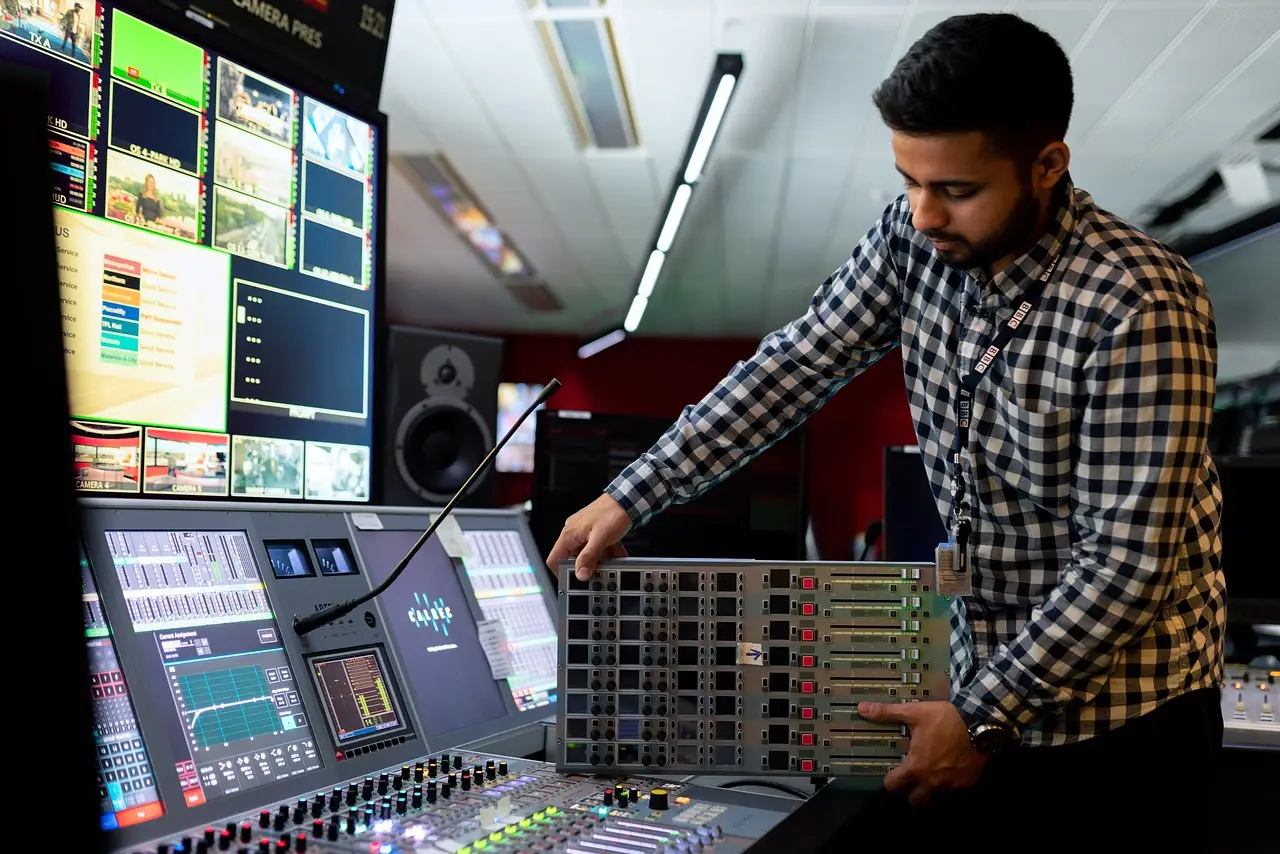
Seven Network has rebuilt its broadcast intercom from the ground up on RTS ODIN matrix cores as part of a relocation from Melbourne's Docklands, where the Australian commercial broadcaster had operated for more than 20 years, to a new headquarters at Melbourne Quarter Tower fitted with a custom-built SMPTE ST 2110 infrastructure.
Magna Systems, the Australian systems integrator, supplied the RTS solution. John Albiston, Seven's head of broadcast engineering, said the selection followed an open evaluation rather than default loyalty.
"In planning the move to new premises, we required a ground-up approach and cast a wide net, ending up with RTS as specified by Lucas Bohm at Magna Systems," Albiston said.
Seven's history with the vendor runs deep. The network previously ran a dual RTS ADAM system at Docklands — a deployment Albiston credited with "years of reliability and flexibility" — and RTS comms are already installed at every Seven site across Australia, including its outside broadcast trucks.
What did Seven actually buy?
The new deployment spans several product lines:
- Multiple RTS ODIN matrix cores
- KP-5032 LCD display key panels
- EXP-4016 expansion panels
- DKP-4016 wide-angle desktop panels
- PAP5032 2RU programmable assignment panels
- Two Gen2 Trunkmasters to link with Seven's wider talkback systems
Seven also carried over hybrid units from Docklands, which Albiston said were retained because they still perform. "That's the thing with RTS comms, it does everything we ask of it and meets all of our needs," he said.
His assessment of the new hardware goes further: "The ODIN is a really powerful matrix and outperforms the ADAM, so the new upgrade works really well."
Why ODIN fits the trucks
Electronic news gathering and satellite vehicles do not normally demand elaborate talkback systems, yet Albiston said ODIN has proven an exception. Its 1-rack-unit footprint makes it practical for mobile use, and its scaling range is wide: a single ODIN can start at a 16x16 channel configuration and grow to 128x128 channels.
The matrix also covers an unusually broad set of signal formats — 2-wire and 4-wire analog, Dante, AES67, RVON, OMNEO and ST 2110 — which matters for a broadcaster standardizing its new headquarters on the SMPTE ST 2110 suite of standards for IP-based media production.
Where the comms sit in daily operations
Seven uses the RTS system across news, sports and studio programming, and for field talent and editors. For the Sydney-produced breakfast program "Sunrise," the intercom provides what Albiston called "a seamless connection between the Sydney and Melbourne studios and control rooms."
During live programming, control room directors, director assistants and producers use RTS panels to coordinate. The system also links to Seven's playout center. "[It enables] dynamic breaks when we are doing live interviews and [to] be incredibly flexible with the on-air talent by using IFB across the board," Albiston said.
Party lines extend the arrangement nationally, letting every station in the network communicate across states — a setup Albiston credited with helping Seven produce different stories in different states.
What the announcement does not include is any figure for the contract value, a deployment timeline or the number of panels installed — standard omissions in vendor case studies of this kind. The commercial detail therefore rests on Magna Systems' role as supplier and integrator, with RTS positioning the ODIN's format breadth and 1RU footprint as its argument for IP-migration projects like Seven's.
Also reported
Source: tvtechnology.com
More from Rebecca Stone
Show full bio
Correspondent covering technology and product news in Carrier business, 5G and 6G, fiber and broadband at Telecom Gazette.
560 articles