Carriers & OperatorsOoredoo5g AdvancedQatar3gpp Release 18
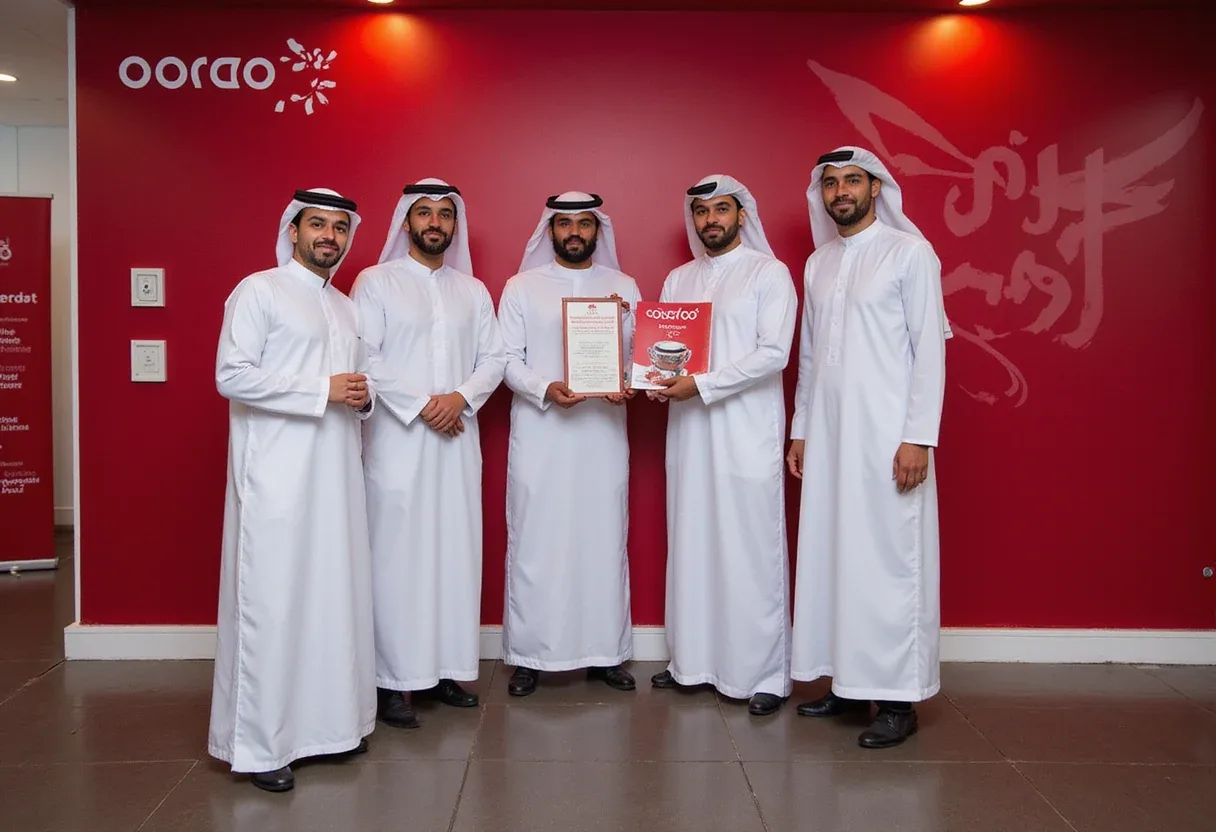
Ooredoo Qatar Switches On 5G+ Service, Offers No Footprint Details
Ooredoo Qatar claims the country's first 5G+ network, but the announcement leaves unanswered questions about spectrum bands, device support, pricing, and how many cells are actually live.
 Carriers & Operators
Why it matters
- Ooredoo Qatar activated what it calls Qatar's first 5G+ network, announced via Qatar News Agency
- The launch disclosure did not name the radio access vendor, coverage footprint, or compatible device list
- 5G+ in operator marketing typically refers to 3GPP Release 18 (5G-Advanced), finalised in 2024
- No pricing structure, spectrum bands, or rollout timeline were disclosed in the launch statement
- Qatar is a small, saturated mobile market, leaving the launch's commercial scope unclear
The story
Ooredoo Qatar has activated what it calls Qatar's first "5G+" network, the operator confirmed through the Qatar News Agency. The announcement did not include coverage maps, a list of compatible devices, peak throughput figures, or the name of the radio access vendor supplying the upgrade.
The launch positions Ooredoo as the first Qatari operator to market a service tier above standard 5G New Radio. "5G+" in carrier marketing generally refers to 5G-Advanced, the 3GPP Release 18 specification suite that finalised in 2024 and is positioned as the bridge to future 6G standards. Release 18 introduces uplink improvements, AI-assisted radio resource management, and energy-saving features that earlier 5G releases did not specify.
What does "5G+" actually mean for users?
For customers outside the 3GPP standards process, the practical gap between standard 5G and 5G-Advanced so far shows up in three places: faster peak download speeds, lower latency at the cell edge, and denser capacity in venues such as stadiums and airports. Whether Ooredoo's deployment delivers each of those at the levels a Release 18 build promises, the launch statement does not say.
The operator also did not specify which spectrum bands carry the new service. 5G-Advanced typically aggregates mid-band carriers with higher-frequency spectrum to reach the throughput targets vendors advertise, and without band information subscribers cannot determine whether their handset will see the "5G+" indicator on the network they use most.
What the announcement leaves out
Three details are notably absent. The release names no pricing structure, so it remains unclear whether 5G+ access is bundled into existing postpaid tariffs or sold as a premium add-on. It names no device certification programme, even though most commercially available smartphones in circulation today support 3GPP Release 15 or 16 rather than the Release 18 features the upgrade is built around. And it does not describe a rollout timeline, leaving open whether the launch covers all of Doha, specific districts, or only a small number of high-traffic sites.
That last point matters. Operators elsewhere in the region that have made similar "5G-Advanced" claims over the past two years have typically begun with a handful of cells, often in central business districts or sports venues, before expanding to wider coverage. Without a published footprint, Ooredoo's "first in Qatar" headline is technically accurate but operationally opaque.
A skeptical reading
Qatar is a small, saturated mobile market, and the announcement carries no bundled handset programme, trade-in offer, or enterprise use case that would indicate how the operator plans to monetise the upgrade beyond its existing 5G base. A new 5G+ tier gives the marketing team a fresh handle to push postpaid migrations, but the absence of any commercial detail leaves the launch looking more like a brand claim than a product the sales channel can quote tomorrow morning.
The competitive context is also thin. The release did not name Ooredoo's Qatari rival, nor did it disclose whether that operator has matching 5G-Advanced infrastructure in deployment. In markets where two operators have launched parallel 5G-Advanced tiers, customers have at least been able to compare advertised peak speeds and pricing head-to-head. Doha does not yet appear to be such a market, and Ooredoo has had no public need to defend its lead.
What to watch next
The independent test of any 5G+ claim is measurement, not marketing. Industry benchmarking services that sample mobile networks should, over the coming months, show whether Ooredoo's 5G+ cells deliver median download and latency figures that distinguish them from the operator's existing 5G footprint. A second indicator will be the appearance of network slicing demonstrations, a flagship 5G-Advanced capability aimed at enterprise and industrial customers rather than only consumer mobile broadband.
Until those signals appear, the launch amounts to a branding milestone: Ooredoo has claimed a "first" in Qatar on a date its rival has not contested in public. Whether that lead translates into a measurable customer experience gap, or into a tariff premium the operator can defend at renewal time, is the question the announcement has not yet answered.
Also reported
Source: Google News: 5G network
More from Rebecca Stone
Show full bio
Correspondent covering technology and product news in Carrier business, 5G and 6G, fiber and broadband at Telecom Gazette.
299 articles