Vendors & EquipmentNasaKa BandSesViasat
NASA awards up to $1.07bn for three Ka-band relay contracts
NASA awarded SES, Viasat of California and Astranis contracts worth up to $1.07bn for Ka-band satellite relays, with initial development through May 2027.
 Vendors & Equipment
Why it matters
- NASA awarded three contracts worth a combined maximum of $1.07bn (€0.9bn) on November 5, 2026.
- Viasat of California could receive up to $460m; SES up to $340m; Astranis up to $264m.
- The contracts cover advanced Ka-band satellite relays for transmitting data between spacecraft and Earth.
- New relays must maintain connectivity with existing NASA spacecraft without onboard communications hardware changes.
- Initial development runs through May 2027; options extend through 2029 and may fund in-orbit demonstrations.
The story
By Amara Osei
November 6, 2026
NASA awarded three contracts worth up to $1.07bn (€0.9bn) on November 5, 2026 to help replace its ageing, government-operated satellite communications network.
Viasat of California could receive as much as $460m; the SES contract is worth up to $340m; Astranis could receive up to $264m.
The $1.07bn headline describes the maximum value across all three awards, not guaranteed upfront payments. That makes it closer to a three-supplier option book than a cheque payable on delivery. Actual spending will depend on development work and subsequent contract options.
What is NASA buying?
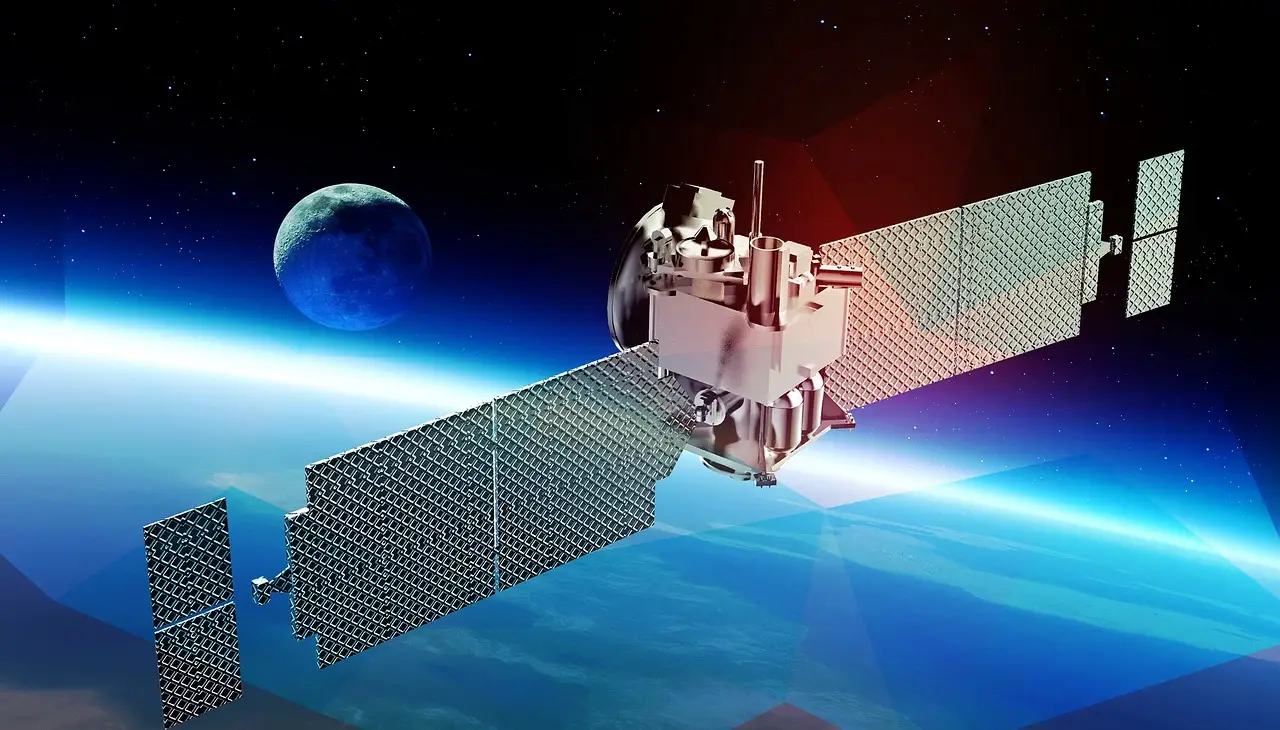
SES, Viasat of California and Astranis will develop advanced Ka-band satellite relay systems capable of transmitting data between spacecraft and Earth. The scope explicitly includes missions already operating in orbit.
NASA has made backward compatibility a key contract requirement. The relays must maintain connectivity with existing NASA spacecraft without modifying their onboard communications hardware.
The agency is therefore changing the relay layer while expecting its spacecraft to keep working as before. Vendors must design around the fleet NASA already has, rather than require a fleet-wide communications refit.
Each award carries its own ceiling:
- SES: up to $340m for advanced Ka-band satellite relay development.
- Viasat of California: up to $460m, the largest of the three contract values.
- Astranis: up to $264m for advanced Ka-band satellite relay development.
Where does the TDRS transition lead?
The awards form part of NASA’s broader transition away from its Tracking and Data Relay Satellite (TDRS) fleet. That fleet has supported missions including the International Space Station and the Hubble Space Telescope.
The transition requires new Ka-band relay systems to support missions already in orbit while preserving their existing communications arrangements. It does not give NASA freedom to refresh the spacecraft side of those links at the same time.
That requirement ties the procurement directly to spacecraft already operating in orbit. Potential in-orbit demonstrations would test those systems in the setting where the connectivity requirement applies.
The published figures establish ceilings, not guaranteed payments. They also leave NASA’s spending beyond the initial development phase contingent on option exercises. The contracts therefore set a possible investment envelope without committing the agency to the entire amount immediately.
What happens after May 2027?
Initial development runs through May 2027. Additional contract options extend through 2029 and could potentially fund demonstrations in orbit.
May 2027 is therefore the first firm milestone in the stated timetable. The later dates depend on NASA exercising options; they do not mean every option has been committed.
For SES, Viasat of California and Astranis, the immediate test is whether development work meets NASA’s compatibility condition by May 2027. Any funding for orbital demonstrations remains tied to the later options.
Investment and deployment decisions will therefore follow NASA’s option exercises rather than the full $1.07bn headline. The next fixed checkpoint is May 2027; the path beyond it depends on NASA’s choices.
Also reported
Source: Advanced Television
More from Amara Osei
Show full bio
News editor covering technology and product news in Carrier business, 5G and 6G, fiber and broadband at Telecom Gazette.
455 articles