Networks & InfrastructureSatellite Mega ConstellationSpace InfrastructureOrbital Data CentersNtt
MUFG and NTT join Mitsubishi Electric in Japanese satellite mega-constellation study
MUFG, Mitsubishi Electric, NTT and the Development Bank of Japan sign an MoU to study a mega-constellation spanning comms, Earth observation, PNT and orbital data centers.
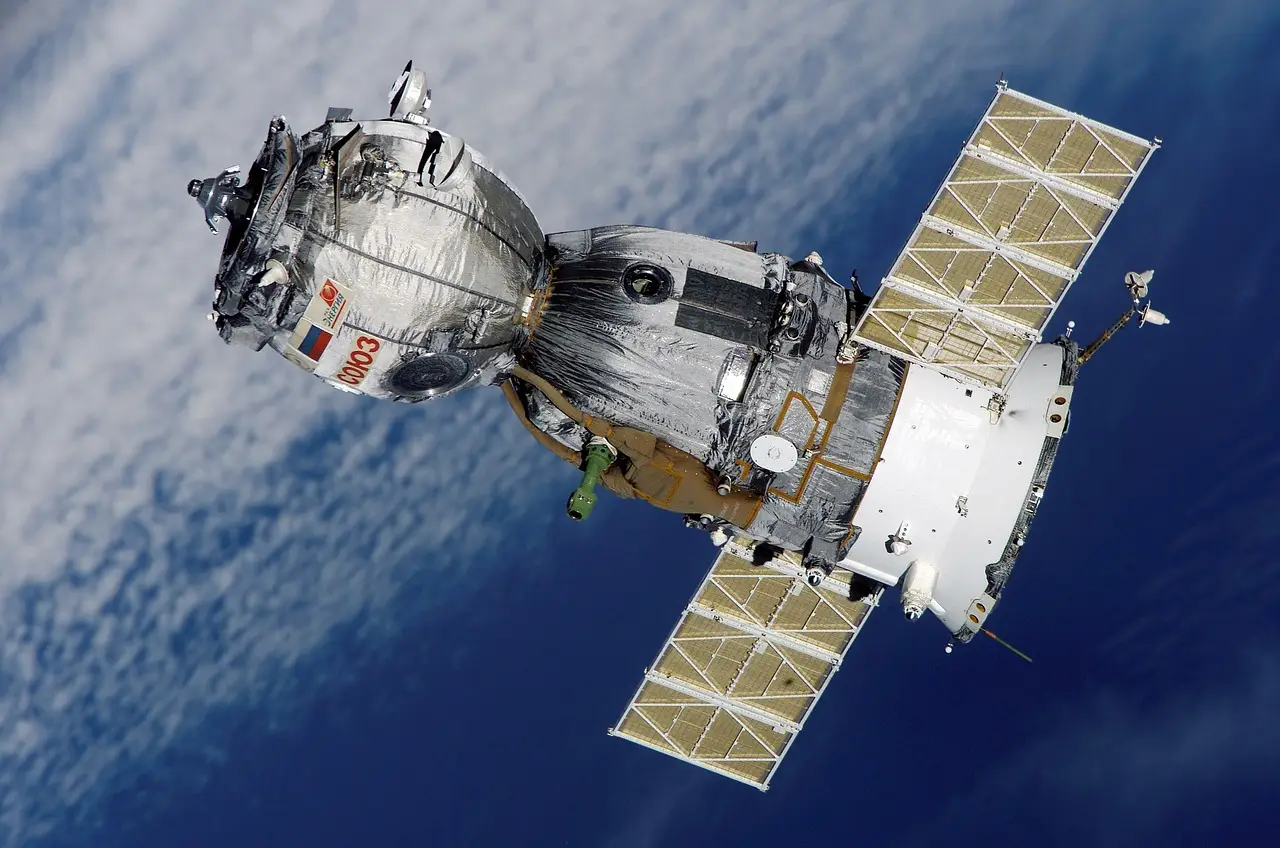 Networks & Infrastructure
Why it matters
- Five companies signed the MoU: MUFG, Mitsubishi Electric, NTT, NTT Docomo Business and the Development Bank of Japan
- The proposed constellation covers comms, Earth observation, disaster response, PNT, national security and orbital data centers
- The scope extends beyond Europe's Copernicus, Galileo and IRIS² programs
- Mitsubishi Electric acquired ground-station-as-a-service firm Infostellar in June for an undisclosed sum
- Launch provider Mitsubishi Heavy Industries and its H3 rocket are absent from the coalition
The story
Five Japanese heavyweights — Mitsubishi UFJ Financial Group (MUFG), Mitsubishi Electric, NTT, NTT Docomo Business, and the Development Bank of Japan — have signed a Memorandum of Understanding to study the technical and business feasibility of a national satellite mega-constellation serving customers in Japan and overseas.
The announcement, made in a joint statement, sets a remit that spans communications, Earth observation, disaster response, positioning, navigation and timing (PNT), national security, and orbital data centers (ODCs). That scope effectively covers and extends beyond the functionality of Europe's Copernicus, Galileo, and IRIS² constellations, the three flagship European space programs that each address a narrower slice of that mandate.
"The five companies will combine their respective technologies, customer bases, financial capabilities, and business development expertise to pursue the realization of a … mega-constellation business," the companies said in their statement.
How ambitious is the scope?
Very. The proposal resembles the integrated capability that SpaceX's Starlink, its government-focused sibling Starshield, and the emerging "Starmind" concept are beginning to build out — initiatives the source describes as the most mature integrated constellations in the world. Japan's coalition is proposing comparable breadth from a standing start.
The project rests on a specific interpretation of satellites as social infrastructure. The companies argue that space data centers can enable more efficient use of satellite data and, in their words, "address a wide range of social issues."
"MUFG Bank regards the space industry as a vital component of social infrastructure with the potential to address a wide range of societal challenges," said Yuichiro Moto, managing executive officer and group head of MUFG's Corporate Banking Group. "Drawing on our experience in leveraging satellite data, our expertise as a financial institution, and our extensive customer base across a wide range of industries in Japan and overseas, we will contribute to developing the space industry's value chain and addressing diverse societal challenges."
Who does what in the coalition?
Each partner has a defined study role, according to the joint statement:
- Mitsubishi Electric — the only member that has built a satellite before — will conduct technical studies on the system design and integration of the constellation.
- NTT will examine the feasibility of a space-to-ground communications network, commercialization, and R&D drawing on its AI-centric IOWN information and communications infrastructure project.
- NTT Docomo Business, the group's international arm, will explore use cases and customer needs.
- MUFG will support the development of businesses, supply chains, and sales channels.
- The Development Bank of Japan will study long-term commercialization and opportunities across industry, government, academia, and the financial sector.
Notably absent is Mitsubishi Heavy Industries (MHI), the most prominent Mitsubishi-name company in space technology and a visible presence at space conferences worldwide. MHI launches the H3 medium-lift rocket, and given the project's apparent sovereign focus, H3 or its successor would be the presumed route to orbit for the constellation's satellites — meaning the spacecraft will need to be compatible with that launch vehicle.
What groundwork already exists?
Mitsubishi Electric has been building out its ground segment. In June the company acquired Infostellar, a satellite ground-station-as-a-service (GSaaS) provider, for an undisclosed sum, strengthening the ground infrastructure the constellation would depend on.
The MoU is a feasibility study, not a deployment commitment. No satellite counts, launch dates, or budget figures appear in the announcement. What it does establish is that Japan's banking, telecom, and manufacturing establishment intends to compete in integrated orbital infrastructure — a category where only SpaceX has moved from paper to operating system — and that the study's conclusions will determine whether a Japanese answer to Starlink reaches the launch pad.
Also reported
Source: datacenterdynamics.com
More from James Calloway
Show full bio
Staff writer covering companies, deals and strategy in Carrier business, 5G and 6G, fiber and broadband at Telecom Gazette.
499 articles