Fiber & BroadbandKenyaKenya Pipeline CompanyFibre InfrastructureBroadband
Kenya Pipeline Taps Fibre Revenue as Kenya's Broadband Market Grows
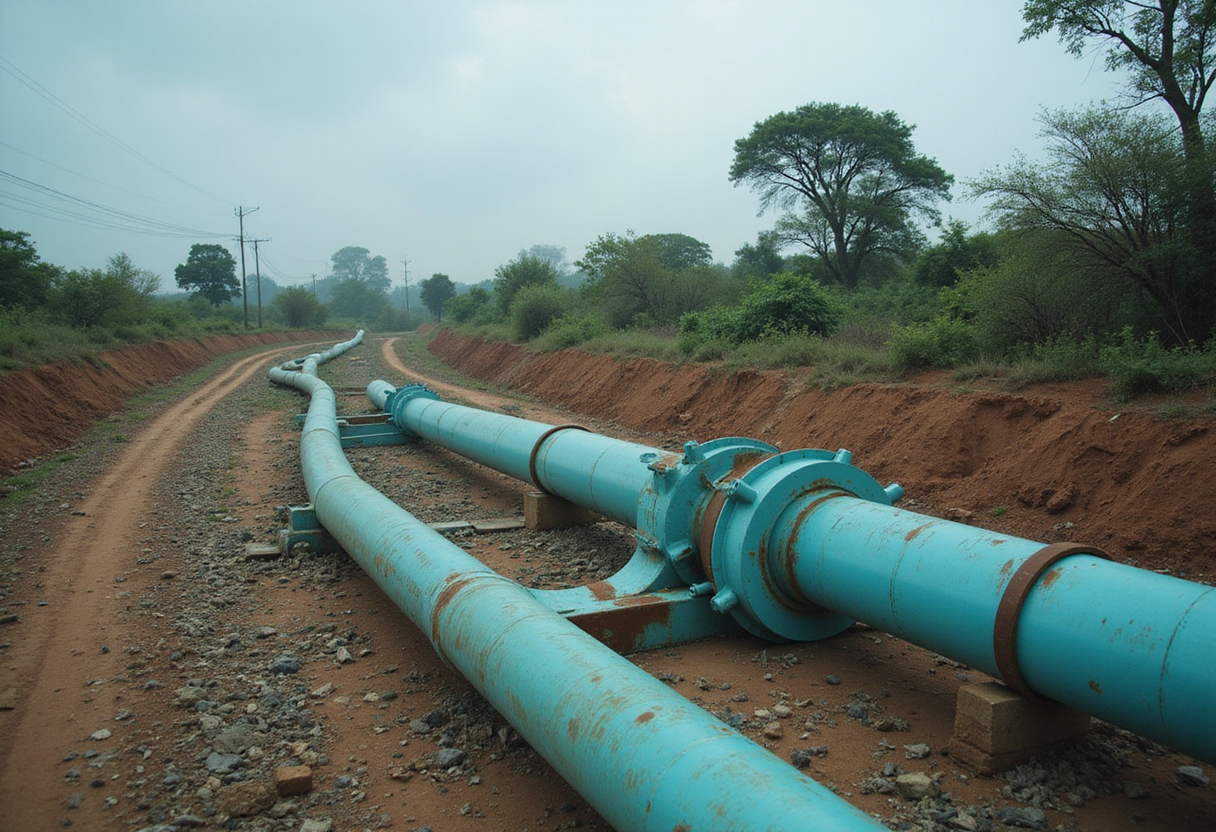
Kenya Pipeline Company is moving to monetise its long-haul corridor through fibre leases as Kenya's broadband market keeps expanding, per TechTrendsKE.
 Fiber & Broadband
Why it matters
- Kenya Pipeline Company is looking to expand fibre revenue, per TechTrendsKE.
- The pipeline corridor links Mombasa port to inland depots and crosses several high-demand broadband catchments.
- Active fibre-to-the-home subscriptions in Kenya have crossed into seven figures, with double-digit annual growth.
- Existing fibre-rent income at KPC is currently buried inside an 'other income' line in annual statements.
- Pricing is likely to benchmark against wholesale leases held by Liquid and Safaricom, not regulator-set tariffs.
The story
Kenya Pipeline Company (KPC), the state-owned operator of the country's refined-product pipeline, is opening a fresh chapter on fibre revenue, according to a TechTrendsKE report.
The move steers a Strategic State Corporation (SSC) into a telecom adjacency already crowded with Safaricom, Liquid Intelligent Technologies and a clutch of regional fibre builders. KPC's right-of-way corridor, originally surveyed for hydrocarbons between the Mombasa port and inland depots, has quietly hosted third-party cables for years. The rentals are small in pipeline terms, but they recur without much capex, which is precisely the kind of revenue a margin-squeezed transporter tends to want more of.
What's driving the move?
Kenya's broadband market has expanded for more than a decade on the back of Safaricom's home fibre push, the national Fibre Optic Backbone Infrastructure (FOIB), and a long tail of SMEs weaned off mobile dongles. Active fibre-to-the-home subscriptions have crossed into the seven figures, and double-digit annual growth has been the norm rather than the exception. Any corridor owner with title to long-haul routes has a credible claim on a slice of that spend.
KPC's pitch is the corridor itself. Pipeline easements are linear, secure, surveyed and rarely subject to the right-of-way disputes that dog road-building telcos. The company already leases passive duct space; the obvious next step is to formalise the practice, raise the unit prices and let the existing tenants continue while quietly courting new ones.
How big is the prize?
The TechTrendsKE headline does not pair the announcement with revenue guidance, and KPC's annual statements have historically buried any cable-rent income inside an "other income" line. Pinning a figure on the opportunity would be guesswork without those filings in hand. What is clear is that Kenya's overall broadband market continues to grow, and a corridor stretching from the coast into western Kenya cuts through several of its busiest catchment areas.
For context, the parastatal's main revenue line — refined-product tariffs set by the Energy and Petroleum Regulatory Authority (EPRA) — has come under pressure as global crude swings feed through to local pump prices. Asset-light, dollar-linked corridor leases look rather attractive alongside it.
What changes for operators and ISPs?
Probably very little in the short term. KPC is leasing passive infrastructure, not chasing retail subscribers. ISPs and mobile operators that already rent duct space will see their contracts renewed on commercial terms; new entrants may find KPC's land a useful shortcut where the Kenya Electricity Transmission Company (KETRACO) and Kenya Railways corridors are unavailable. Pricing benchmarks are likely to be set against existing deals with Liquid and Safaricom's wholesale arms, not against the regulator.
The strategic question
The pivot raises the usual parastatal dilemma: should a pipeline company be running a fibre business at all? Successor entities across Eastern Africa have tried similar adjacencies with mixed results. Some have spun out network units as separate subsidiaries with their own boards; others have let the leases drift back to the parent ministry. Watch KPC's next board report for a line item that names the fibre leases and breaks out the revenue — that is where the signal will first show up.
Also reported
Source: Google News: fiber broadband
More from Amara Osei
Show full bio
News editor covering technology and product news in Carrier business, 5G and 6G, fiber and broadband at Telecom Gazette.
315 articles