Carriers & OperatorsIridiumNtn Direct3gppNb Iot
Iridium Switches On NTN Direct, First 3GPP Satellite Service with Full Global Coverage
Iridium has activated NTN Direct, a 3GPP NB-IoT direct-to-device satellite service claiming 100% global coverage on its existing LEO fleet, as Rocket Lab's acquisition proceeds.
 Carriers & Operators
Why it matters
- Iridium activated NTN Direct on November 19, 2026, a 3GPP standards-based NB-IoT direct-to-device satellite service.
- The service claims 100 percent global coverage via Iridium's existing LEO constellation and globally coordinated L-band spectrum.
- Iridium is in the process of being acquired by Rocket Lab.
- Nofence is integrating NTN Direct into its N3 cattle collars for remote livestock tracking.
The story
Iridium Communications has activated Iridium NTN Direct, which it calls the first 3GPP standards-based narrowband IoT and direct-to-device satellite service delivered from space with 100 percent global coverage. The announcement, dated November 19, 2026, lands while the operator remains in the process of being acquired by Rocket Lab.
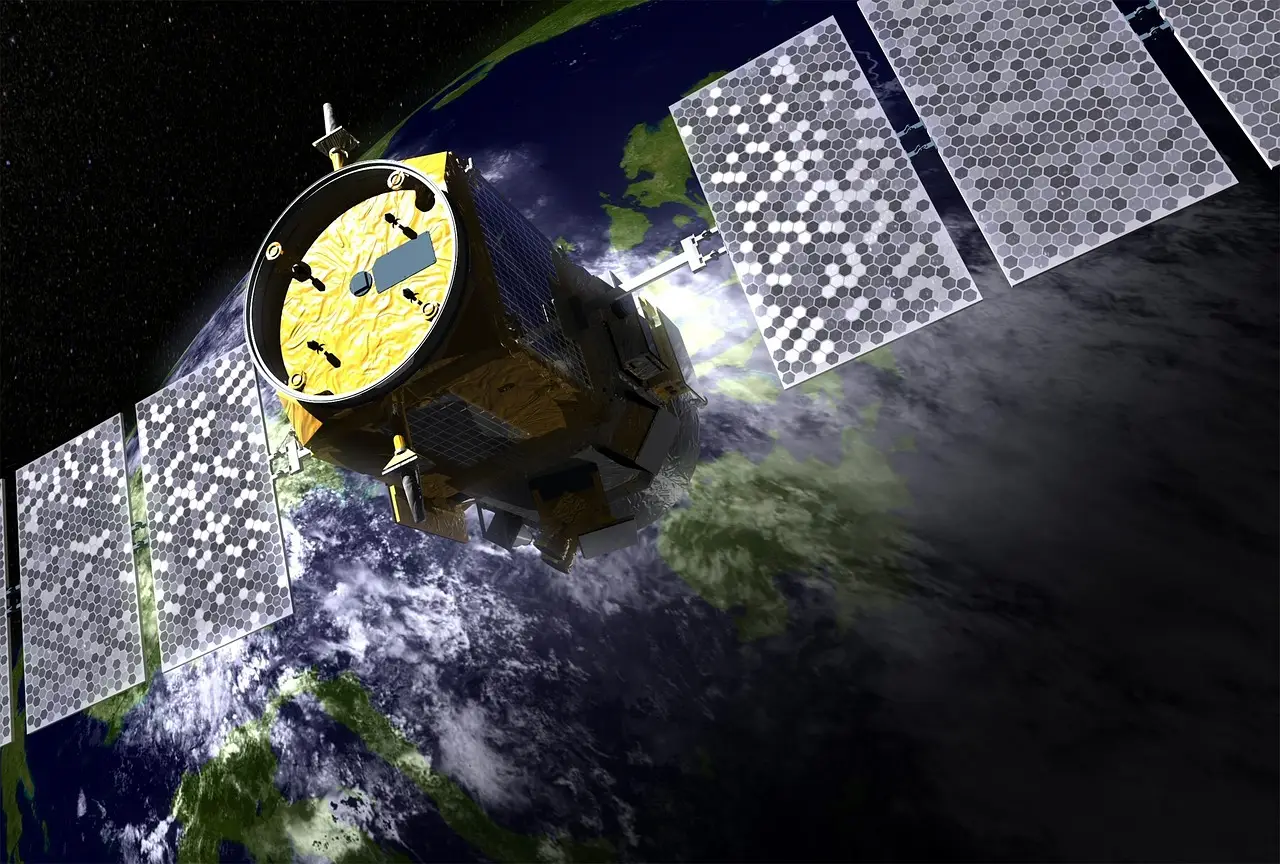
The service runs on Iridium's already fully operational low-Earth orbit constellation and its globally coordinated L-band spectrum. That matters commercially: Iridium needs no new launches to support the offer, and the spectrum coordination removes a common barrier for satellite-to-phone services that have struggled with terrestrial interference in other bands.
What does NTN Direct actually deliver?
According to Iridium, the service lets mobile network operators, chipset manufacturers and device makers integrate satellite connectivity using compatible NB-IoT chipsets. The company frames it as a reliable option for keeping critical devices and assets connected in remote locations where cellular networks do not reach.
Iridium positions the launch as a step toward making satellite communications a seamless extension of terrestrial networks, since devices can speak the same NB-IoT language over both links.
The target application set is broad:
- Wearables such as smartwatches, plus personal safety and emergency messaging
- Asset tracking, fleet management, logistics and supply chains
- Connected vehicles and remote infrastructure
- Smart agriculture, utility metering and industrial monitoring
Iridium highlights low power and efficient data transfer as the service's core strengths, aimed at devices operating beyond cellular coverage where a dropped connection can affect safety, operations or business continuity.
What did Iridium's CEO say?
CEO Matt Desch framed the activation as an inflection point for the industry. "We're entering an exciting new chapter in satellite communications, where industry standards are opening the door to a new generation of connected products," Desch said. "With Iridium NTN Direct, we're building on decades of innovation and a network that's already operating worldwide to bring satellite connectivity to a much broader market."
He added that working in tandem with cellular networks, the service "makes truly global connectivity a practical reality for more applications than ever before." That claim reflects vendor marketing ambitions as much as shipped volume; Iridium names no MNO customers or device counts in the announcement, and says only that select partners are advancing integrations.
Who is building on it already?
One named early adopter is Nofence, a livestock technology company whose N3 collars track grazing cattle. The use case fits the high-volume, low-power IoT profile the service was designed for, since herds often graze where cellular coverage is limited or absent.
"Cattle grazes in some of the most remote land on Earth and losing a signal shouldn't mean losing sight of the herd," said Fabien Lepoutre, VP of Engineering at Nofence. "By integrating Iridium NTN Direct into our N3 collars, we're adding a standards-based satellite layer that works pole-to-pole and speaks the same NB-IoT language as the cellular networks our collars already use."
Lepoutre noted that whether a herd sits on a Norwegian mountain pasture or open range in the United States, producers can see every animal and update every boundary without building a single new tower or fence.
For Iridium, the commercial test now shifts from activation to adoption, with the company counting on partner ecosystems in wearables, agriculture and logistics to convert its standards-based coverage claim into subscriber growth while the Rocket Lab acquisition runs its course.
Also reported
Source: Advanced Television
More from Elena Vasquez
Show full bio
Market editor covering companies, deals and strategy in Carrier business, 5G and 6G, fiber and broadband at Telecom Gazette.
568 articles