Emerging MarketsIndiaSmartphone ManufacturingDomestic Handset BrandsMobile Phone Manufacturing Scheme
India sets October 2028 deadline for homegrown smartphone
India has set 23 October 2028 for a domestically designed, manufactured and branded smartphone, backed by a 5G-plus handset and a ₹625 billion production scheme.
 Emerging Markets
Why it matters
- India targets 23 October 2028 for an Indian-designed, manufactured and branded mobile phone.
- The MPMS received a ₹625 billion (US$6.56 billion) outlay in 2026.
- The government says a 5G-plus handset was designed, manufactured and supplied after roughly 3.5 years of work.
- Vivo, Xiaomi and Oppo held 68% of the Indian market in the September quarter, down from 75% a year earlier.
- The government calls India the world's second-largest mobile manufacturer.
The story
By James Calloway
India has set 23 October 2028 as the deadline for a smartphone designed, manufactured and branded in India, with Electronics and IT Minister Ashwini Vaishnaw presenting the two-year target at a New Delhi event.
The target is a government deadline, not a launch announced by a named handset maker. Vaishnaw used the event to set out an effort to move beyond manufacturing and retain more mobile intellectual property in India. “This is 23 October 2026. Please note it: 23 October 2028. You will have Indian-designed, Indian-manufactured, Indian-branded mobile phones,” he said.
What does India already manufacture?
India has already become a production base for smartphone brands including Apple and Samsung. A recent government press release describes the country as the world’s second-largest mobile manufacturer, a position its Production Linked Incentive scheme has helped create. That is production scale, not proof of an Indian-owned global handset brand.
The scale of the Indian market has attracted global device makers, and Apple has sought to diversify manufacturing away from China for geopolitical reasons. The policy framework changed again when the government approved the Mobile Phone Manufacturing Scheme earlier in 2026 with an outlay of ₹625 billion (US$6.56 billion).
The MPMS has a stated purpose: to “scale up production, deepen domestic value addition, strengthen supply chain resilience, enhance global competitiveness.” India is therefore pursuing two policy tracks: supporting large-scale assembly while trying to move more design, intellectual property and value into the country.
What has India already demonstrated?
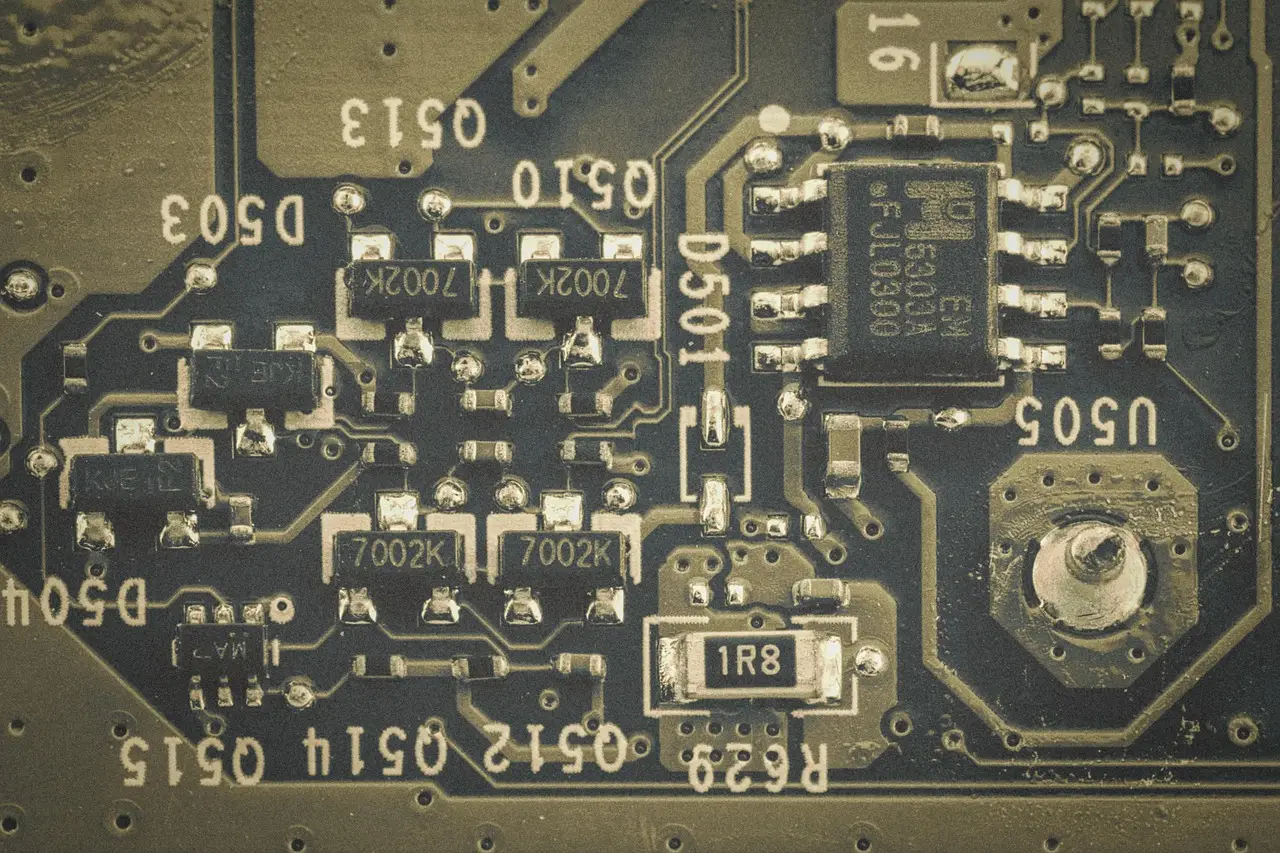
Vaishnaw said the government challenged Indian designers about three years ago to develop a mobile-phone printed circuit board. Two companies accepted. One produced a design that a major US telecommunications service provider selected, according to the minister.
According to Vaishnaw, that company designed and delivered a 5G-plus handset to the operator. The device has already been manufactured and supplied to customers. He said the experience, gained over approximately three and a half years, would help India develop a domestic smartphone brand and retain its intellectual property at home.
Those disclosures provide a more concrete result than the 2028 promise: a design selection, an operator delivery and customer supply. They do not establish a sustainable consumer brand or show how large the project can become.
Neither the design company nor the US operator was named. The announcement also did not provide handset specifications, shipment volumes or commercial terms, leaving the reported delivery short of a measurable scale milestone.
Can manufacturing scale become a brand?
Several domestic companies, including Micromax and Intex, have previously tried to establish Indian smartphone brands with global reach. Their experience highlights the obstacles facing the new target:
- Developing innovative products capable of competing with global vendors.
- Building stronger design capabilities inside domestic companies.
- Providing the after-sales service that buyers expect from established brands.
The reported PCB work and 5G-plus delivery address part of the design challenge. They do not solve product differentiation, pricing or service coverage, particularly in the entry-level and budget segments where domestic brands would need volume.
Rising memory-chip prices have made those segments harder to serve. Chinese smartphone makers Vivo, Xiaomi and Oppo saw their collective Indian market share fall to 68% in the September quarter, from 75% in the same quarter a year earlier, according to Omdia.
Omdia said the decline may reflect macroeconomic factors, including growing job insecurity and diminishing consumer confidence, which could make budget buyers more cautious. Reduced Chinese share could open room for domestic players, but weaker confidence and higher component costs make rapid demand growth less certain.
What does this change for Indian buyers?
The practical change for Indian buyers is prospective rather than immediate. If the government meets its deadline, the established assembly base and reported operator delivery could support another Indian brand that keeps more intellectual property at home. That would not guarantee cheaper phones, broader service coverage or a product at a named price; the announcement specifies none of those terms.
Over the next two years, the decisive measures are whether India identifies the product, supplier and commercial terms, converts the ₹625 billion MPMS outlay into scaled production, and closes the design and after-sales gaps before 23 October 2028.
Also reported
Original: ndtv.com
More from James Calloway
Show full bio
Staff writer covering companies, deals and strategy in Carrier business, 5G and 6G, fiber and broadband at Telecom Gazette.
396 articles