Carriers & OperatorsIndiaReliance JioBharti AirtelVodafone Idea
India's Big Four Face Off on Subscribers, ARPU and 5G Capex
Jio and Airtel extend their lead on subscribers, ARPU and 5G capex into 2026, while Vi fights for funding and BSNL leans on state support to modernize.
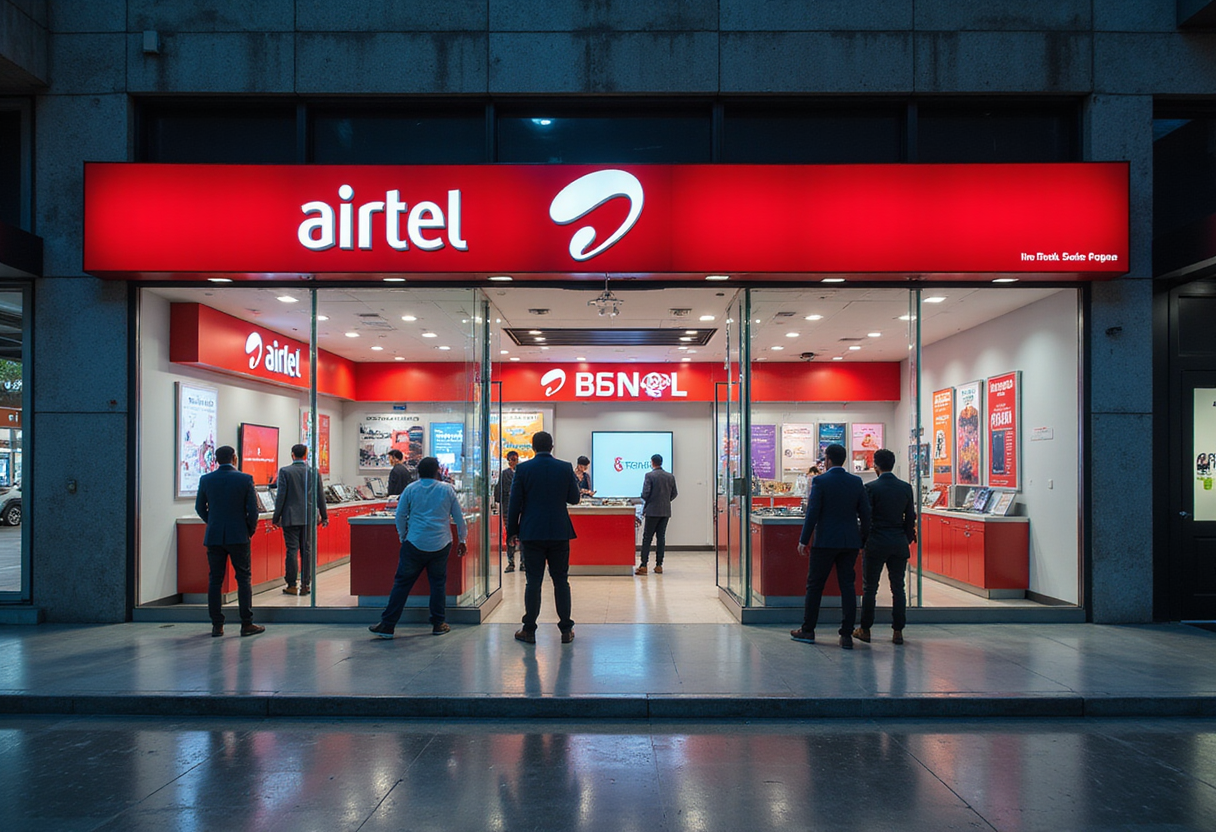 Carriers & Operators
Why it matters
- India's market remains a four-operator contest: Jio leads on subscribers, Airtel on ARPU, with Vi and BSNL trailing on funding.
- Jio and Airtel have deployed 5G at scale since 2022; Vi and BSNL lag on commercial 5G availability.
- Capex capacity is the key differentiator heading into 2026, with Vi's network spend a fraction of its rivals'.
The story
India's telecom market heads into 2026 as an effective four-player contest, with Reliance Jio, Bharti Airtel, Vodafone Idea (Vi) and state-owned BSNL competing across the metrics that decide viability: subscriber base, average revenue per user (ARPU), 5G rollouts and capital expenditure.
TelecomLead's comparison frames the year ahead as a story of widening gaps. Jio and Airtel, which together control the bulk of India's mobile subscriptions, continue to anchor the market's growth, while Vi struggles to keep pace without comparable funding capacity and BSNL leans on state support as it attempts a late 4G and 5G catch-up.
The competitive hierarchy
Jio enters 2026 as the subscription leader, backed by the largest user base in the country and the deepest pockets for network investment. Airtel follows as the clear number two, with a subscriber base that skews toward higher-value postpaid and broadband customers — a mix that supports its industry-leading ARPU performance.
Vi sits third, fighting to arrest subscriber losses while carrying one of the sector's heaviest debt loads. BSNL remains fourth by scale in mobile, though its government-backed revival package gives it resources that its commercial performance alone would not justify.
ARPU is the battleground
Across all four operators, ARPU has become the metric investors watch most closely. India's mobile tariffs remain among the lowest globally, and the tariff repair cycle — the sector's main lever for revenue growth — has benefited the two market leaders disproportionately. Jio and Airtel converted recent tariff increases into revenue gains with relatively limited subscriber churn, while Vi needed the same increases to service debt and stabilize its balance sheet.
The ARPU gap between the private leaders and the state operator remains wide. BSNL's pricing has traditionally undercut the market, a position that protects its rural subscriber base but caps its revenue potential.
5G rollout divergence
On 5G, the market splits into two camps. Jio and Airtel have deployed standalone and non-standalone 5G at scale since the 2022 commercial launches, covering thousands of towns and cities across India. Their networks now carry the bulk of the country's 5G subscriptions.
Vi has yet to launch commercial 5G broadly, constrained by capital rather than spectrum, having bought airwaves in earlier auctions. BSNL, meanwhile, is taking a government-guided route: its 4G rollout through state-vendors is the precondition for any 5G service, and its timeline trails the private operators by years.
Capex tells the real story
Capital expenditure is where competitive positions harden. Jio's capex covers both its pan-India 5G network and its fixed wireless access push, which extends home broadband beyond fiber reach. Airtel's spending balances 5G densification with fiber rollout and its Africa operations.
Vi's capex runs at a fraction of its rivals', which shows directly in its network metrics and subscriber trend. BSNL's investment comes largely from the government revival package rather than operating cash flow, keeping its modernization dependent on policy decisions rather than market dynamics.
What 2026 decides
The year ahead will test whether Vi can convert its funding arrangements into sustained network spending, whether BSNL's state-funded upgrade produces a competitive 4G footprint, and whether Jio and Airtel can lift ARPU further without triggering renewed churn to the smaller players. With tariff repair, 5G monetization and satellite broadband all in play, the gaps between India's four operators are set to define the market's structure for years to come.
Also reported
Source: Google News: 5G network
More from Elena Vasquez
Show full bio
Market editor covering consumer brands and retail at Telecom Gazette.
94 articles