Vendors & EquipmentHuaweiOpen RanEuropeVendor Diversity
Huawei finds European allies after open RAN stalls
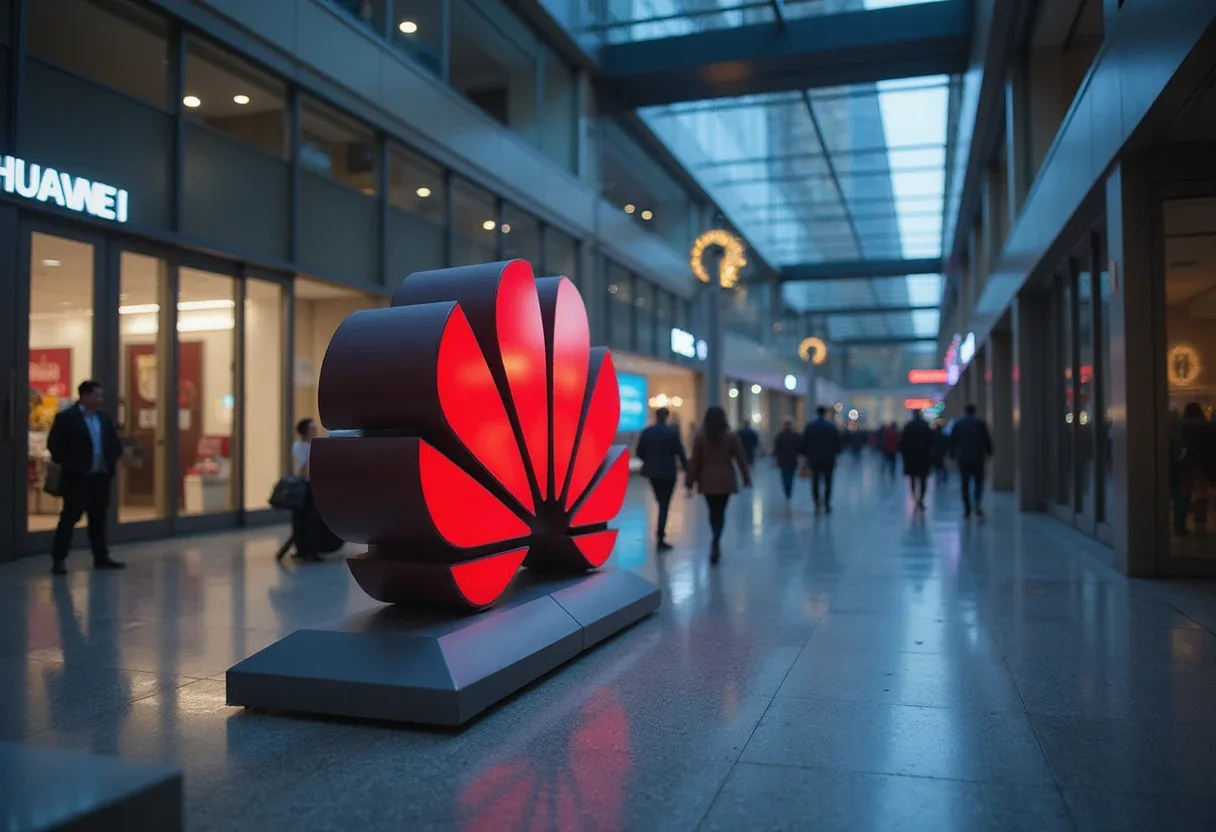
Open RAN's underdelivery has handed Huawei an unlikely set of European advocates, weakening the political case for ripping out its gear.
 Vendors & Equipment
Why it matters
- Light Reading reports Huawei gained lobbying support from European parties after open RAN underdelivered
- Europe's anti-Huawei stance since 2020 assumed open RAN could replace the vendor at scale
- The security assessments themselves have not changed; the commercial and political context has
- Huawei's bargaining position strengthens as long as open RAN fails to match integrated RAN economics
The story
Huawei has picked up an unexpected lobbying assist in Europe, and the reason is awkward for everyone who spent years promising that open RAN would replace the Chinese vendor. That, at least, is the blunt reading of Light Reading's reporting under the headline "Huawei gets lobbying boost from European pals after open RAN fail."
The claim cuts against five years of European policy orthodoxy. Since 2020, the operating assumption in Brussels and in several capitals was that open radio access network technology — disaggregated, interoperable, multi-vendor — would let operators swap Huawei gear without paying a performance or price penalty. That assumption now looks shakier than its sponsors admitted.
What went wrong with open RAN?
The story Light Reading tells is one of underdelivery. Open RAN was supposed to give operators choice. In practice, European operators who trialled it found the economics and the engineering less compelling than the slide decks suggested.
When the replacement technology disappoints, the incumbent's bargaining position improves. That is the mechanism behind Huawei's lobbying boost: European voices — operators, industry bodies, or national governments frustrated with the cost of rip-and-replace — now argue the case Huawei itself has been making all along. It helps, of course, that the argument happens to be commercially convenient for them too.
Vendors pushing open RAN as a cure-all spent the early 2020s promising maturity that deployments did not confirm. Marketing claims outran integration reality. That gap is now doing political work in Huawei's favour.
Does this change the security debate?
Not formally — and that matters. Europe's high-risk-vendor framework, from the EU 5G Security Toolbox onwards, rests on security assessments, not on whether the alternative technology is ready. Nothing in the reporting suggests those assessments have changed.
What has changed is the politics around them. Security policy that depends on a substitute product being available is only as strong as that product. If open RAN stumbles, governments face a choice between hardening deadlines and quietly tolerating Huawei's continued presence in national networks. Several have already chosen the quiet option.
So the lobbying boost is real but conditional. It lasts exactly as long as open RAN keeps disappointing.
Who benefits, and by how much?
Huawei benefits most directly. The vendor has spent years arguing that its exclusion from European networks was driven by politics rather than engineering, and European allies now echo that line for their own reasons. A lobbying argument sounds better in someone else's accent.
Operators benefit too. Those with Huawei equipment deeply embedded in their RANs avoid the capital cost of premature replacement — the same capital they would rather spend on 5G coverage and spectrum.
The losers are the vendors and policymakers who built the anti-Huawei case on open RAN's timetable. A security argument anchored to a delivery date is a fragile thing, as they are now discovering.
What happens next?
The pressure now shifts back to open RAN's advocates. They must show that the technology can match integrated RAN on cost, performance and energy efficiency at scale — not in trials, but in commercial networks. Until they do, Huawei's European friends will keep making its case for free.
For operators, the pragmatic route is clear: keep Huawei where it sits, watch the open RAN roadmap, and let the lobbyists argue. It is not the policy Europe announced in 2020. It is, however, the one the technology has so far delivered.
Also reported
Source: Google News: Open RAN
More from Amara Osei
Show full bio
News editor covering technology and product news in Carrier business, 5G and 6G, fiber and broadband at Telecom Gazette.
336 articles