Carriers & OperatorsGsma6gWrc 27Spectrum
GSMA resets 26-member board with six new operators ahead of 6G, WRC-27
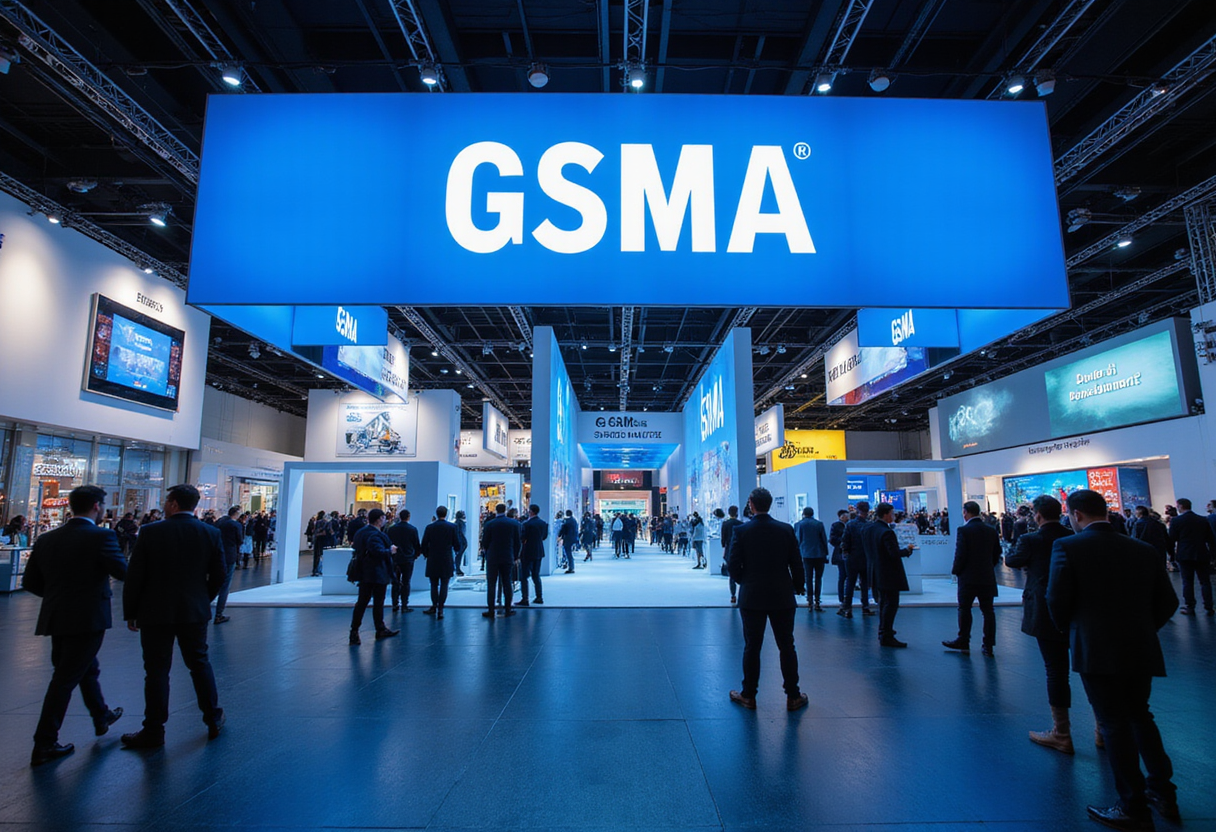
The GSMA has refreshed its 26-member board ahead of a critical two-year stretch covering initial 6G standardisation and the WRC-27 spectrum conference, swapping in Axiata, Millicom, NTT Docomo, Ooredoo, stc and Telstra.
 Carriers & Operators
Why it matters
- GSMA board remains at 26 members, with six new operator entries: Axiata Group, Millicom, NTT Docomo, Ooredoo Group, stc and Telstra
- Six operators exit the board: Ethio Telecom, KDDI, KT, Telenor, TIM and Veon
- WRC-27 is scheduled for October and November 2027 and covers satellite spectrum and 6G-related IMT identifications
- Chair Gopal Vittal identified AI and 'open digital platforms' as the board's defining economic opportunity, alongside 'digital safety and trust'
- Eight incumbents kept their seats with new representatives: AT&T, China Telecom, China Unicom, China Mobile, Deutsche Telekom, e&, Globe Telecom and Telefonica
The story
The GSMA has refreshed its 26-member board with six new operators ahead of a critical two-year stretch covering initial 6G standardisation and the ITU's WRC-27 spectrum conference.
Axiata Group, Millicom, NTT Docomo, Ooredoo Group, stc and Telstra join the board, replacing Ethio Telecom, KDDI, KT, Telenor, TIM and Veon. GSMA director general Vivek Badrinath keeps his seat, completing the line-up.
The roster keeps the same overall size but reshuffles company representation around three priorities: 6G, satellite and non-terrestrial network (NTN) regulation, and an explicit AI agenda named for the first time as a board-level theme. The World Radiocommunication Conference (WRC-27) is scheduled for October and November 2027.
What does the new board have on its plate?
The next two-year window carries an unusually heavy technical file for the trade group. The agenda includes:
- Setting initial 6G standards
- Establishing regulatory frameworks for satellite and NTN communications
- Coordinating spectrum positions ahead of WRC-27
The WRC-27 timing matters because agreement on new mobile-satellite bands and any 6G pioneer frequencies feeds directly into commercial network plans at member operators. Decisions on IMT identifications at the conference will shape operator capex well into the late 2020s.
Which operators retain seats?
Eleven operators keep their existing seats and representatives: America Movil, Bharti Airtel, BT Group, Liberty Global, MTN Group, Orange, Reliance Jio, Personal (formerly Telecom Argentina), Turkcell, Verizon and Vodafone Group.
Eight incumbents swap representatives but stay in place: AT&T, China Telecom, China Unicom, China Mobile, Deutsche Telekom, e&, Globe Telecom and Telefonica.
The three Chinese state operators anchor the East Asian weight on the board, with the European flank covered by Deutsche Telekom, Orange, Telefonica, Vodafone, BT and Liberty Global.
Why AI now?
Current chair Gopal Vittal, who runs Bharti Airtel, framed AI and "open digital platforms" as the defining opportunity for the mobile sector. The technology offers openings to "create significant economic and societal value", which the organisation would work to unlock, he said.
Vittal also signalled continued attention to "digital safety and trust" and the persistent connectivity and usage gaps the GSMA would work to address. The dual framing — economic upside from AI alongside a trust gap — reflects the tenor of boardroom conversations at large operator groups heading into 6G.
How does the regional balance shift?
The new line-up tilts further toward MENA and Asia-Pacific representation. Axiata (Malaysia), NTT Docomo (Japan), Ooredoo (Qatar), stc (Saudi Arabia) and Telstra (Australia) collectively widen that footprint. The exits remove significant East Asian and Nordic exposure — KDDI, KT and Telenor drop out — though Personal retains an Argentine seat and India keeps two chairs through Airtel and Reliance Jio.
With the line-up settled, the new board begins its work less than 14 months before WRC-27 opens, in parallel with the standard-setting track that will produce the first 6G specifications.
Also reported
Original: mobileworldlive.com
More from Elena Vasquez
Show full bio
Market editor covering consumer brands and retail at Telecom Gazette.
162 articles