Spectrum & PolicyFcc800 MhzSpectrum AllocationUnmanned Aerial Systems
FCC Opens 50 MHz in 800 MHz Band for Drone Operations
The FCC voted to open 50 MHz in the 800 MHz band for drones, ending a 1991 rule. Operators welcome it but warn supply-chain and import bans still bite.
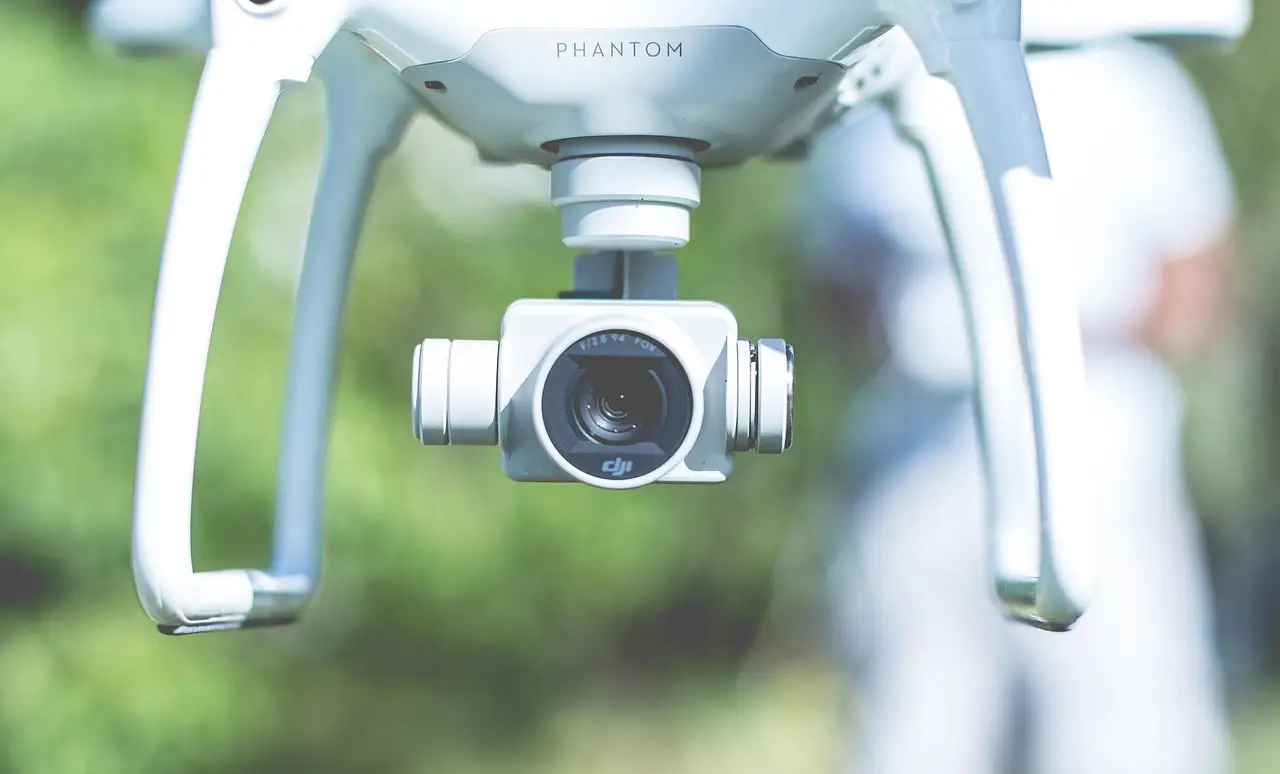 Spectrum & Policy
Why it matters
- The FCC voted to open 50 MHz of spectrum in the 800 MHz band for unmanned aerial systems.
- The decision removes a restriction dating from 1991 that aimed to prevent aircraft interference from mobile phones.
- On 19 November the FCC will vote on opening the 450 MHz band for UAS and allowing secondary radiolocation in 24.45–24.65 GHz.
- In 2024 the FCC designated the 5030–5091 MHz band exclusively for drones, managed by automated frequency management systems.
- DSPA CEO Vic Moss says spectrum releases do not address import bans and hardware shortages facing commercial drone operators.
The story
The Federal Communications Commission has voted to open 50 MHz of spectrum in the 800 MHz band for unmanned aerial systems (UAS), scrapping a restriction that has been in place since 1991.
The spectrum will cover command, control, communication and payload operations for drones. The FCC frames the decision as one of several spectrum initiatives designed to support the US drone industry — but not everyone in that industry sees it as the answer to their problems.
Why did the 1991 rule exist?
The restriction the FCC removed dates back to 1991, when the regulator barred drone operations in the band to prevent interference from mobile phones aboard aircraft. The FCC now says advances in technology and interference management make that precaution unnecessary.
Arpan Sura, senior counsel to FCC chair Brendan Carr, said the decision was shaped by the agency's "Delete, Delete, Delete" initiative, which identifies and eliminates obsolete rules, alongside a broader push to release spectrum for UAS.
"The decision was born out of wanting to release more spectrum into the drone economy, eliminating outdated regulations and acting where the public has told us to act," Sura said. "We've seen comments on the topic several times since 2023. It was right there for the taking."
Does more spectrum solve operators' problems?
Not according to Vic Moss, CEO and co-founder of the Drone Service Providers Association (DSPA), a US organisation advocating what he calls "reasonable regulation" of UAS. Moss welcomed the FCC's decision as a positive step, noting it opens the door to drone delivery and inspection services. His caveat was blunt: the push to release spectrum does not solve the many problems US drone operators currently face.
Some of those problems, he said, stem from the FCC's own aggressive stance against certain drone manufacturers, including bans on importing and promoting certain newer models and components. Moss also argued that government initiatives for UAS lean disproportionately toward military applications, while commercial operators need affordable equipment and readily available replacement parts.
"We're allocating a lot of funds for defence, which we need to do. It's inevitable," Moss said. "And some argue that, as defence goes, so does civilian use. But, really, when it comes to drones, there's not a lot of overlap."
He added that although enterprise drones can serve other users, manufacturers usually show little interest in building the cheaper, smaller alternatives commercial operators actually want. In short: spectrum is arriving, but the hardware supply chain remains the constraint nobody in Washington is addressing.
What comes next from the FCC?
Carr made clear the 800 MHz vote was "hardly the last word on bringing spectrum abundance to drones."
On 19 November, the Commission will vote on proposals to open the 450 MHz band for UAS and to permit ground-based radiolocation operations in the 24.45–24.65 GHz band on a secondary basis, paving the way for new drone detection services.
"We don't ask innovators to justify why they need something," said Sura. "We tend to have an open door, and that's been our mindset with many of these next-gen technologies."
The 800 MHz decision builds on earlier work. In 2024, the FCC adopted initial rules designating the 5030–5091 MHz band exclusively for UAS, to be managed by automated frequency management systems.
Sura described the agency's approach as running "a spectrum abundance playbook," arguing that unlike minerals and other critical natural resources, spectrum need not constrain innovation.
"We don't want spectrum to be the reason companies can't innovate," he said. "What you're seeing right now is an incredible amount of investment in direct-to-device, in drones, and it's clear that we need to meet that demand."
With the 450 MHz and 24 GHz votes scheduled for 19 November, the FCC's spectrum pipeline for drones is filling quickly — though whether commercial operators can source the aircraft to fly on it remains a separate question.
Also reported
Source: Policy Tracker
More from Rebecca Stone
Show full bio
Correspondent covering technology and product news in Carrier business, 5G and 6G, fiber and broadband at Telecom Gazette.
509 articles