Networks & InfrastructureEutelsatOnewebSpacexLeo Satellites
Eutelsat books SpaceX for $74 million OneWeb Launch 21
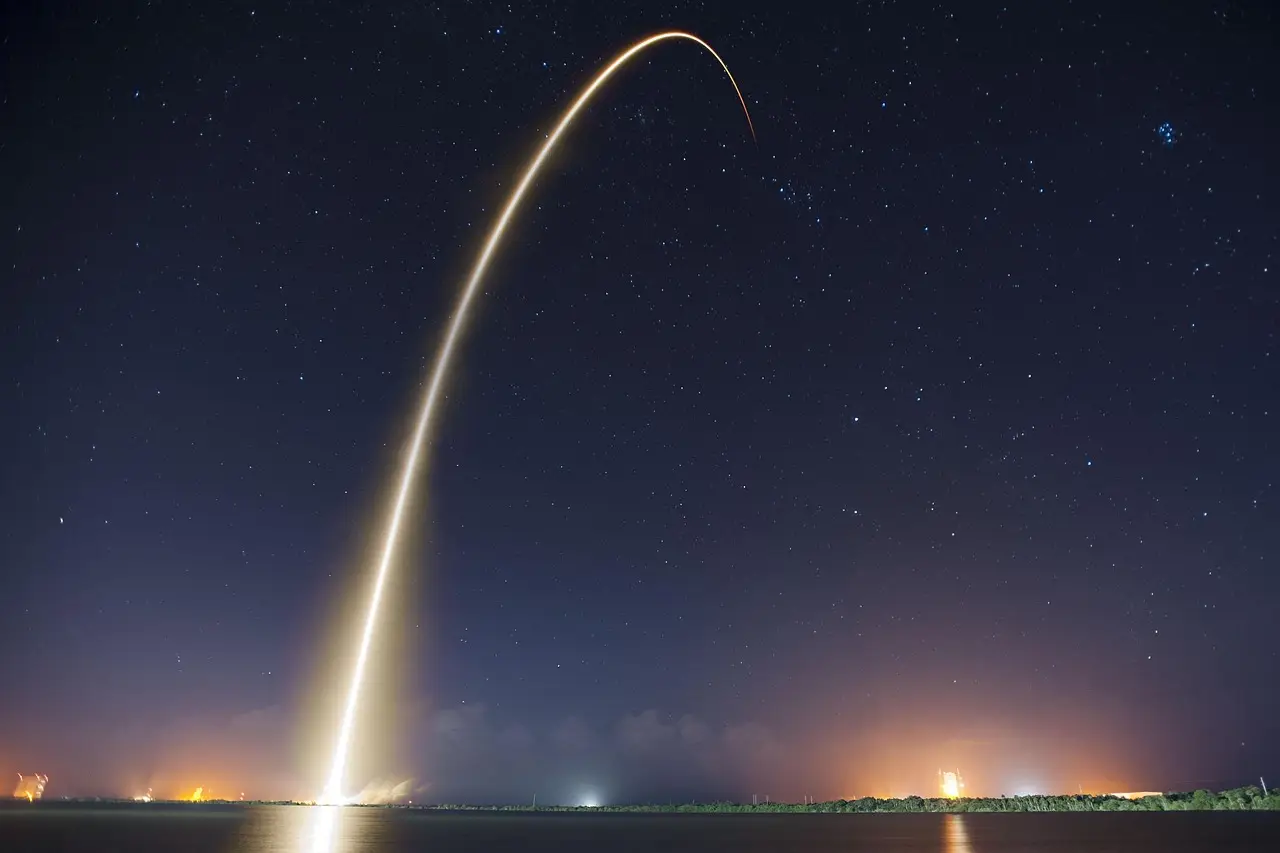
Eutelsat's OneWeb division will pay SpaceX a reported $74 million to launch 32 Airbus-built satellites from Vandenberg on November 30, opening its LEO fleet renewal.
 Networks & Infrastructure
Why it matters
- OneWeb Launch #21 will carry 32 satellites, provisionally scheduled for November 30
- SpaceX will fly the mission from Vandenberg Space Force Base into polar orbit
- The flight cost is reportedly $74 million
- Airbus built the satellites at its Toulouse facility
- The launch opens OneWeb's constellation renewal programme, Europe's only LEO fleet
The story
Eutelsat's OneWeb division will pay SpaceX a reported $74 million to launch 32 satellites on November 30, opening the renewal programme for Europe's only low-Earth-orbit constellation.
The flight, designated Launch #21 in the OneWeb manifest, is provisionally scheduled to lift off from SpaceX's Vandenberg Space Force Base in California. The upper stage will place the spacecraft into a polar orbit, the standard insertion profile for the constellation, which relies on polar shells to deliver coverage across the entire globe, including the poles.
Airbus built all 32 satellites at its Toulouse facility in France. The spacecraft belong to OneWeb's constellation renewal programme, intended to expand and replace the existing fleet rather than add capacity alone.
Why does this launch matter for Europe?
OneWeb is the only LEO broadband constellation under European ownership. Eutelsat, the Paris-based satellite operator, holds and operates the fleet following its merger with OneWeb, and the system competes in a market otherwise dominated by SpaceX's own Starlink service.
That competitive tension gives the November 30 flight an unusual shape. Eutelsat is paying its chief rival $74 million for a ride to orbit. SpaceX gains launch revenue while its Starlink constellation continues to out-scale OneWeb in subscriber numbers and satellite count.
What does this change for Eutelsat? In practical terms, it starts the clock on fleet renewal. LEO satellites have finite service lives, and a constellation that stops launching begins shrinking. The 32 satellites from Toulouse are the first batch of the replacement generation, and further batches will need to follow on a regular cadence if the fleet is to hold its size and add capability.
Commercial reality behind the flight
The reported $74 million price works out at roughly $2.3 million per satellite delivered to orbit. That figure covers launch alone, not the cost of building the Airbus spacecraft, insuring them, or operating the ground segment.
SpaceX flying from Vandenberg points to a polar insertion. The California site specializes in southbound trajectories that pass over open ocean, allowing stages to fall safely and enabling the polar orbits that OneWeb's architecture requires.
The provisional date carries the usual caveat. Launch windows shift with range availability, weather, and vehicle readiness, and a slip of days or weeks would not be unusual for a mission of this type.
What comes next
Eutelsat has framed Launch #21 as the start of its renewal chapter. Success on November 30 would validate the Airbus production line at Toulouse and the SpaceX integration process for this batch, clearing the way for subsequent launches in the programme.
If the schedule holds, the 32 satellites will join the existing fleet in orbit in the final days of November, and commissioning of the new spacecraft will follow in the weeks after insertion.
Also reported
Source: Advanced Television
More from James Calloway
Show full bio
Staff writer covering companies, deals and strategy in Carrier business, 5G and 6G, fiber and broadband at Telecom Gazette.
499 articles