Vendors & EquipmentEricsson6gIndiaAntennas
Ericsson to ship India-made antennas to Europe as exec flags 6G edge
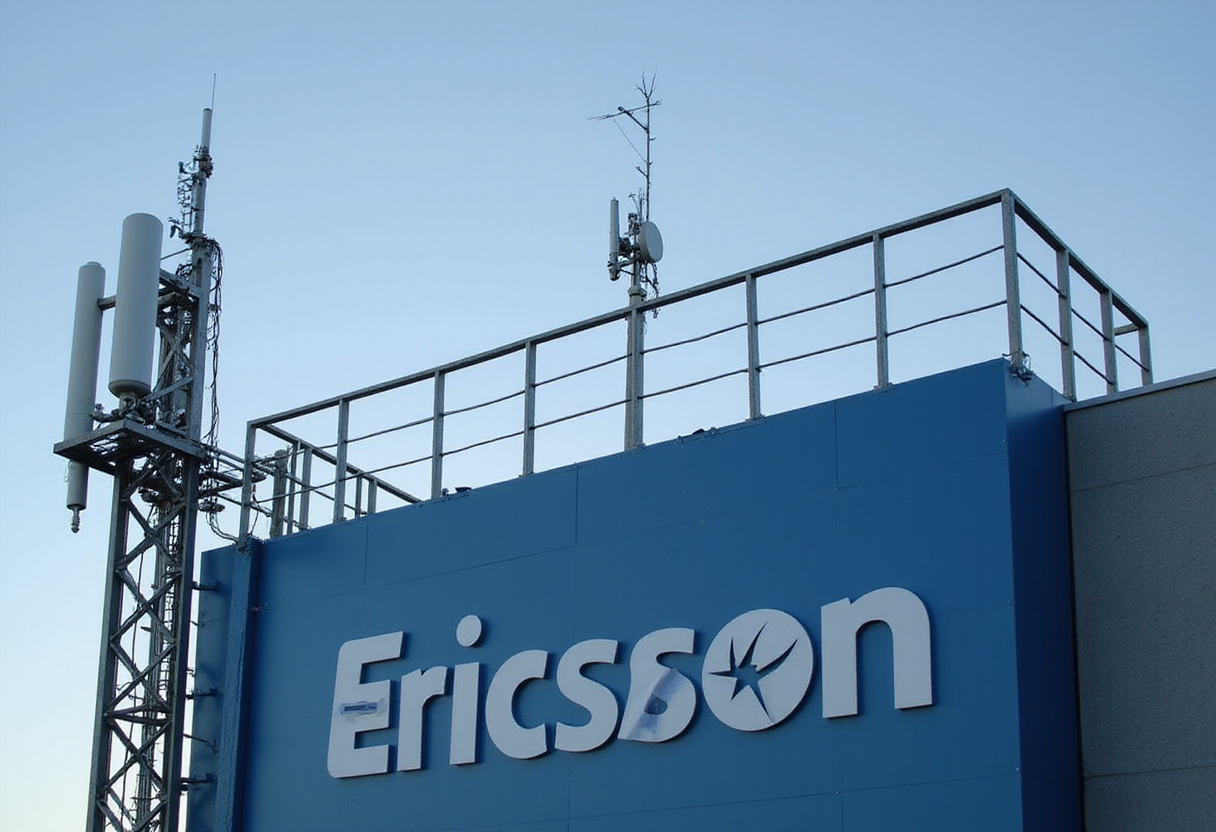
Ericsson will begin exporting India-made antennas to European operators, with an executive arguing India has a competitive edge in shaping 6G standards as ITU-R and 3GPP enter early requirements work.
 Vendors & Equipment
Why it matters
- Ericsson confirmed it will export India-manufactured antennas to European operator customers
- An Ericsson executive said India holds a competitive edge for 6G standardisation
- The vendor did not disclose shipment volumes, customer names or delivery start dates
- Ericsson's Pune facility has historically served Indian and select Asia-Pacific markets
- ITU-R targets completion of the IMT-2030 6G framework in 2026, with commercial 6G launches projected around 2030
The story
Ericsson will begin exporting India-manufactured antennas to European operator customers, the Swedish vendor confirmed in remarks reported by The Economic Times.
The shipment marks the first time Ericsson's Indian production lines will serve European radio access networks at scale. An Ericsson executive quoted in the Economic Times report separately argued that India holds a "competitive edge" for the 6G standardisation cycle now taking shape inside 3GPP and ITU-R.
Ericsson did not immediately disclose shipment volumes, customer names or the start date for European deliveries. The vendor operates a large radio manufacturing facility in Pune that has historically served domestic and select Asia-Pacific markets.
What does the export signal?
Routing Indian-made passive and active antennas to Europe requires those products to meet EU Radio Equipment Directive (RED) compliance, CE marking and individual operator acceptance testing. The decision to extend that supply chain into Europe suggests Ericsson's Pune output has cleared the qualification bar set by European carriers.
European mobile operators have historically sourced antennas from European vendors (Ericsson, Nokia, Kathrein) and East Asian suppliers. Adding India as a source geography broadens the supply base at a time when European carriers are densifying 5G mid-band networks on 3.5 GHz spectrum and refreshing massive MIMO hardware.
Ericsson competitor Nokia also manufactures in India through contract partners. Chinese vendors Huawei and ZTE maintain limited India operations due to security-related restrictions imposed in 2020.
Where does India stand on 6G?
The executive's 6G remarks frame India as more than a low-cost production base. India runs one of the world's largest mobile subscriber markets, with more than 1.2 billion wireless connections reported by the Telecom Regulatory Authority of India, and has run a 5G rollout on mid-band spectrum since October 2022.
The Department of Telecommunications launched the Bharat 6G Alliance in 2023 to coordinate Indian academic and industry contributions to next-generation standards work. Indian institutes including IIT Madras, IIT Hyderabad and IISc Bangalore have established 6G research programmes focused on terahertz communications, AI-native air interface design, and integrated sensing.
6G standardisation remains in early requirements gathering. ITU-R targets completion of the IMT-2030 framework in 2026, with 3GPP Release 21 expected to define the first 6G radio specifications from 2026 onward. Commercial 6G launches are projected for around 2030.
What comes next?
The first European shipments will test whether India-made radio hardware can match the reliability and certification thresholds European operators expect from incumbent supply chains. A successful initial delivery cycle would likely accelerate broader portfolio exports, including active antenna units for 5G mid-band upgrades and 5G-Advanced features.
Ericsson runs research and development centres in Bengaluru, Chennai and Gurugram — collectively the largest engineering workforce outside Sweden. Whether that workforce converts into a measurable share of 6G patents and 3GPP contributions will determine if the executive's competitive-edge framing holds beyond manufacturing economics.
Also reported
Source: Google News: 6G network
More from Daniel Okafor
Show full bio
Senior reporter covering marketplaces and e-commerce at Telecom Gazette.
147 articles