5G & 6GEe5gFast LaneTraffic Prioritisation
EE Recruits Football Superfan to Push Fast Lane 5G+ Tier
EE has signed a football superfan to promote Fast Lane, the paid traffic-prioritisation feature inside its 5G+ tier, betting on match-day streaming to sell network quality.
 5G & 6G
Why it matters
- EE has launched a campaign with a football superfan to promote its Fast Lane 5G+ feature.
- Fast Lane is a paid traffic-prioritisation add-on within EE's premium 5G+ proposition.
- The source contains no subscriber, pricing or uptake figures for the feature.
- EU net neutrality rules constrain how operators can sell paid quality-of-service tiers.
The story
EE has paired with a football superfan to promote Fast Lane, the premium traffic-prioritisation feature the UK operator sells under its 5G+ branding. The campaign, reported by Telecompaper, marks the operator's latest attempt to convert network differentiation into consumer revenue.
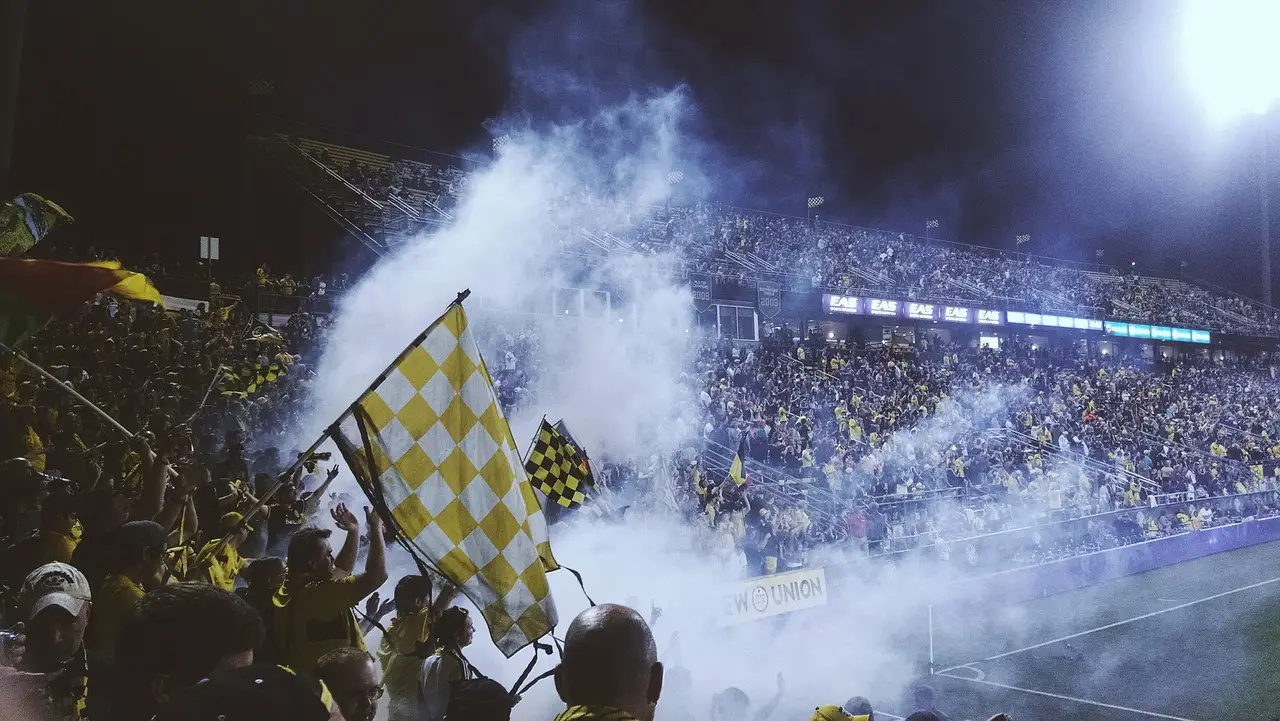
The choice of a football superfan is deliberate. Live sport streaming, with its high bit-rate video and intolerance of buffering, is the clearest consumer use case for a paid quality-of-service tier. EE is betting that fans who watch matches on the move will pay for guaranteed throughput at the moments when congestion would otherwise degrade the experience.
What is Fast Lane on 5G+?
Fast Lane is part of EE's 5G+ proposition, which groups the operator's most advanced network capabilities, including standalone 5G and higher-capacity coverage in busy locations. Within that bundle, Fast Lane prioritises traffic for subscribers who pay for it, effectively moving their data ahead of standard traffic on congested cells.
The commercial logic is straightforward. Operators have spent heavily on 5G spectrum and rollout, and premium tiers are one of the few proven mechanisms for monetising that investment beyond flat-rate data plans. EE's parent, BT Group, has positioned differentiated 5G services as a driver of average revenue per user in a saturated UK mobile market.
What does this change for subscribers?
For most EE customers, nothing. The feature reaches the market as an optional add-on, and standard data plans continue unchanged. What changes is the pitch: instead of selling speed in the abstract, EE is now selling reliability in a specific, emotionally charged moment — match day.
The superfan campaign also signals where EE sees demand concentrating. Stadiums and city centres, where thousands of concurrent streams collide with limited cell capacity, are exactly the environments where a prioritised lane is most noticeable.
Regulatory backdrop
Paid prioritisation remains sensitive in European telecoms regulation. EU net neutrality rules permit specialised services and quality tiers only under conditions that do not degrade the general internet access service. EE frames Fast Lane as a managed offering within its premium 5G portfolio rather than a paid fast lane over the open internet, a distinction regulators including Ofcom have scrutinised as operators push further into tiered quality.
Marketing spend versus measurable uptake
The campaign itself is marketing; the source carries no subscriber figures, pricing details or uptake targets for Fast Lane. That separation matters. A celebrity-adjacent promotion demonstrates intent, not results, and EE has not yet published evidence that quality tiers move churn or ARPU at scale.
The UK market will supply the verdict. BT Group reports mobile performance quarterly, and any material contribution from premium 5G features should surface in those figures as the campaign runs through the football season.
Also reported
Source: Google News: 5G network
More from James Calloway
Show full bio
Staff writer covering companies, deals and strategy in Carrier business, 5G and 6G, fiber and broadband at Telecom Gazette.
366 articles