Video & BroadcastDaznFifaClub World CupStreaming Rights
DAZN Secures Exclusive Option on 2029 Club World Cup Rights
DAZN has secured an exclusive option on global 2029 Club World Cup streaming rights, extending a FIFA relationship that began with its $1 billion bid for the 2025 tournament.
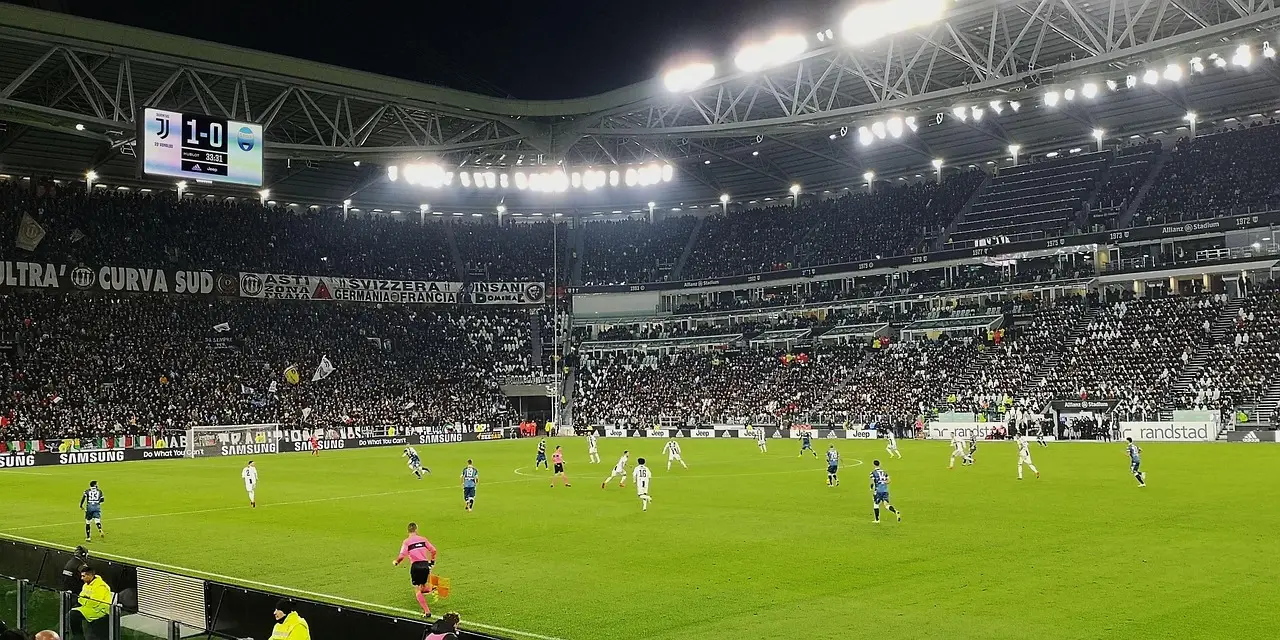 Video & Broadcast
Why it matters
- November 2, 2026: DAZN secured an exclusive option on global streaming rights for the 2029 Club World Cup.
- DAZN agreed to pay $1 billion (€0.89 billion) for global rights to the inaugural 2025 tournament.
- The 2025 tournament had 32 teams, was staged in the United States and carried a $1 billion prize fund.
- A 10 per cent stake purchase by Surj Sports Investment facilitated DAZN’s late 2025 bid.
- Chelsea beat Paris Saint-Germain in the 2025 final and took approximately $114 million; the next tournament is scheduled for summer 2029, with no host nation announced.
The story
By James Calloway
DAZN secured an exclusive option for global streaming rights to the 2029 men’s Club World Cup on November 2, 2026, extending the Saudi Arabia-backed sports streaming service’s relationship with FIFA. The reported option establishes a negotiating position for the next edition, but it does not disclose a contract price, contract length or host nation.
What does the 2029 option change?
The option gives DAZN exclusive control over the next step in talks over global streaming rights. It is not the same as a completed sale of the 2029 rights, and the announcement did not say when DAZN must exercise the option or what conditions apply. No 2029 price was disclosed.
For DAZN, the option gives it the chance to renew a FIFA relationship that already produced a major commercial result. Its $1 billion (€0.89 billion) agreement for global rights to the inaugural tournament placed it at the center of a sale that other broadcasters had passed over.
For FIFA, the option preserves the possibility of securing one global buyer for the next tournament. It does not yet guarantee that outcome, because DAZN must exercise the option and the parties must complete a final agreement.
How did DAZN reach the 2025 bid?
DAZN’s 2025 bid arrived late. FIFA had sought a global streaming package for the inaugural 32-team Club World Cup in the United States, but many linear broadcasters and other streamers chose not to bid.
The Saudi Arabia-backed service then agreed to pay $1 billion (€0.89 billion) for global rights. The agreement gave the tournament a global streaming outlet after the broader bidding process had stalled.
That agreement also had a wider consequence: it effectively bankrolled FIFA’s $1 billion prize fund. The commercial scale of DAZN’s payment therefore supported not only the media-rights sale but also the financial package available to the 32 competing clubs.
DAZN’s late entry was facilitated by Surj Sports Investment group’s purchase of a 10 per cent stake in the company. The Saudi investment tied the streamer more closely to the bid before the 2025 tournament. Neither the stake price nor any direct role in financing the rights payment was disclosed.
Why did the bidding field narrow?
Apple held talks with FIFA over a global streaming deal for 2025 but withdrew over the valuation. It did not submit the global bid that DAZN eventually secured, leaving the proposed sale without another major platform participant.
FIFA subsequently attempted to sell the rights on a regional basis, but that effort failed to gain traction. The failed regional route and Apple’s withdrawal left the 2025 tournament without its expected global buyer until DAZN’s late bid provided a way forward.
The sequence illustrates the unusual commercial conditions surrounding FIFA’s first expanded Club World Cup. A valuation dispute deterred Apple, a regional resale failed and numerous other broadcasters and streamers stayed away. DAZN, backed by the Surj investment, supplied the global agreement the tournament required.
What did the 2025 agreement deliver?
The 2025 event produced a clear sporting result as well as a commercial one. Chelsea beat Paris Saint-Germain in the final and took home approximately $114 million from the $1 billion prize fund.
That payout shows the scale of the tournament economics DAZN’s agreement helped support, although the reported Chelsea figure remains approximate. The sporting result also established the first winner of the expanded 32-team competition before FIFA moved toward its next edition.
What changes for viewers?
A global DAZN offer could eventually place the entire 2029 men’s tournament behind one streaming service, extending the model used for the 2025 event. That would matter to football fans because access would not depend on assembling a set of country-specific services, provided DAZN exercises the option and signs a final rights agreement.
No subscriber target, audience forecast, distribution technology or streaming specification accompanied the report, and DAZN did not identify a rights price for 2029. The option therefore says more about control of global media rights than about the service fans would receive.
The absence of service detail also leaves several practical questions open. The terms do not identify supported devices, whether matches would include broadcast simulcasts, or whether DAZN would use the same streaming delivery arrangements as it did in the United States. Those commercial and technical choices remain separate from FIFA’s unfinished hosting decision.
What must happen before 2029?
FIFA schedules the next men’s Club World Cup for summer 2029, although it has not announced the host nation. DAZN’s option therefore precedes decisions on the host and the final commercial terms. If the company exercises the option and the parties complete an agreement, the sports streamer would extend its FIFA partnership for a second cycle.
The next concrete tests are the exercise of DAZN’s option, agreement on price and distribution terms, and confirmation of the host nation before the summer 2029 tournament.
Also reported
Source: Advanced Television
More from James Calloway
Show full bio
Staff writer covering companies, deals and strategy in Carrier business, 5G and 6G, fiber and broadband at Telecom Gazette.
419 articles