Networks & InfrastructureCore ScientificAI ColocationData CentersBitcoin Mining
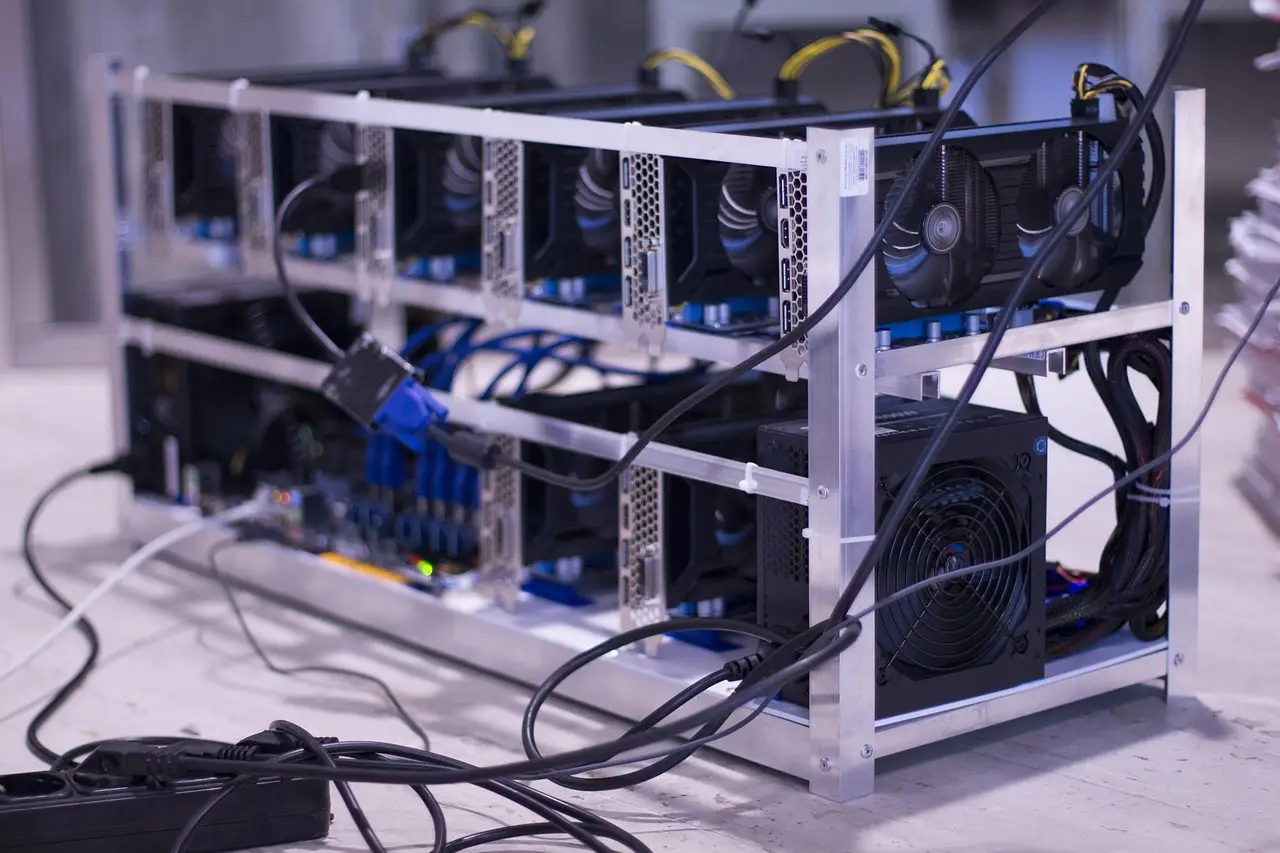
Core Scientific to quit Bitcoin mining by end of 2026
Core Scientific says it will exit Bitcoin mining by year-end as colocation hits 92.5% of revenue, with 1,120MW contracted to CoreWeave and AMD partners through 2028.
 Networks & Infrastructure
Why it matters
- Core Scientific expects to complete its exit from Bitcoin mining by year-end 2026, entering 2027 as a pure colocation provider.
- Colocation generated $215.4 million of $232.9 million Q3 revenue, about 92.5% of the total.
- The company billed 485MW of colocation capacity at end-September, with 590MW contracted to CoreWeave and 530MW under the AMD partnership.
- It sold 3,374 Bitcoin for $286.8 million in the first nine months of 2026 and spent $985.1 million on capex in Q3.
- Q3 net income of $1.18 billion was primarily driven by a non-cash warrant revaluation gain.
The story
Core Scientific expects to exit Bitcoin mining entirely by the end of 2026, closing out a business that generated just $17.4 million in the third quarter — barely a quarter of the $66.2 million the same operations produced a year earlier.
"We expect to complete our exit from bitcoin mining by year-end," CEO Adam Sullivan told analysts on the company's third-quarter earnings call on November 5. The wind-down should finish in the fourth quarter, leaving the company to enter 2027 operating solely as a high-density colocation provider for AI workloads.
CFO Jim Nygaard quantified how far the retreat has already gone: nearly 50 percent fewer miners were online at the end of September than at the end of 2025. The pivot is not a plan on paper — it is roughly half-executed.
What do the Q3 numbers show?
The revenue mix has already flipped. Total revenue rose to $232.9 million from $81.1 million a year earlier, but colocation drove essentially all of it: $215.4 million against $15 million in Q3 2025, or about 92.5 percent of quarterly revenue.
The mining side collapsed on both lines. Self-mining revenue fell to $12.3 million from $57.4 million; third-party miner hosting declined to $5.2 million from $8.7 million.
Profitability followed. Adjusted EBITDA reached $133.6 million, up from $41.1 million in Q2 and $6.5 million in Q3 2025. Net income came in at $1.18 billion, against a $144 million loss a year earlier — though investors should read that headline carefully, as the swing was primarily driven by a non-cash gain from the revaluation of warrants, not by operations.
The company also sold 3,374 Bitcoin for $286.8 million during the first nine months of 2026 to fund capital expenditure and other cash requirements. It held 32 Bitcoin, worth $2.7 million, at the end of September — down from 2,537 Bitcoin at the end of 2025. The treasury has effectively been liquidated to build the colocation business.
How fast is the data centre build-out moving?
Capital expenditure, including land and development rights acquisitions, totalled $985.1 million for the quarter. The company ended September with $803.9 million in cash and cash equivalents.
The company was billing for 485MW of colocation capacity at the end of September, up from 395MW at the end of June — a 90MW addition in a single quarter. Its earnings presentation shows 590MW contracted to CoreWeave across five campuses, with full delivery expected in early 2027.
Beyond CoreWeave, 530MW is contracted under a partnership with AMD, split between direct AMD leases and leases with an AMD-backed neocloud. That capacity spans:
- Pecos and Hunt County, Texas
- Dalton, Georgia
- Muskogee, Oklahoma
- Auburn, Alabama
Initial AMD-programme deliveries are expected in the first half of 2027, with the full build due for completion by the end of 2028.
The company is also buying its way to scale. In August it completed the acquisition of Polaris DS for around $444 million, adding a former cryptomining site adjacent to its Muskogee campus — approximately 40 acres and 440MW of grid-connected power capacity, part of plans to expand the campus to 1.5GW of gross power.
What happens to the mining equipment?
The company's 10-Q filing discloses that mining, electrical and high-performance computing equipment were classified as held for sale during Q3, after mining and electrical equipment were initially earmarked for disposal in Q2. Some assets were sold during the quarter; the remaining held-for-sale equipment carried a value of $29.7 million at September 30. Core Scientific expects the sales to complete within one year of the assets' initial classification.
The caveat worth holding onto: nearly all of Core Scientific's growth story now rests on two counterparties — CoreWeave and AMD-linked tenants — and on delivery schedules that stretch into 2028. Any slip in those deployments, or in AI demand itself, would land on a company that has already sold its Bitcoin and most of its rigs.
Also reported
Source: datacenterdynamics.com
More from Rebecca Stone
Show full bio
Correspondent covering technology and product news in Carrier business, 5G and 6G, fiber and broadband at Telecom Gazette.
508 articles