Fiber & BroadbandCharterSpectrumRural BroadbandMaryland
Charter Spectrum Completes Rural Broadroad Buildout in Somerset County, Maryland
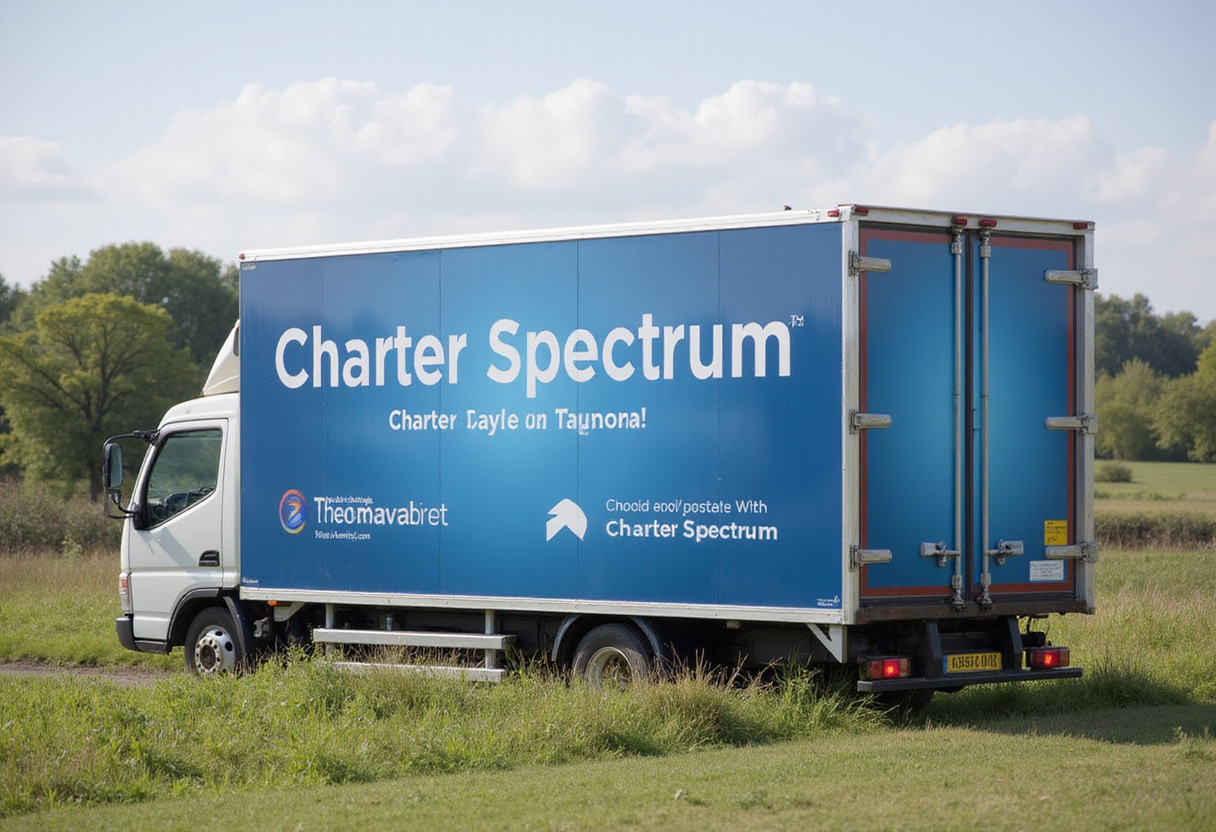
Charter Spectrum has finished its rural broadband expansion in Somerset County, Maryland, extending cable service to low-density areas of the Eastern Shore.
 Fiber & Broadband
Why it matters
- Charter Spectrum completed its rural network expansion in Somerset County, Maryland.
- The buildout extends the operator's cable broadband platform to a sparsely populated Eastern Shore county.
- The completion fits Charter's broader strategy of subsidized rural construction across its 41-state footprint.
The story
Charter Spectrum has completed its rural broadband expansion in Somerset County, Maryland, closing out a construction project that extends the operator's hybrid fiber-coaxial network to parts of one of the state's most sparsely populated counties.
The buildout matters because Somerset County sits on Maryland's Eastern Shore, a region where household density is low enough that cable operators historically had little commercial incentive to string plant past existing service boundaries. Charter's decision to finish the expansion signals that rural construction, once considered uneconomic, now fits into the operator's broader growth calculus — driven in part by federal and state subsidy programs that underwrite part of the capital cost.
For Charter, the completion is a data point in a much larger rural commitment. The operator has been among the most aggressive participants in government-funded expansion efforts across its 41-state footprint, using subsidized rural builds to add subscriber-acquisition territory at a lower net capital cost than greenfield urban overbuild. Maryland, meanwhile, has pushed its own broadband initiatives targeting unserved and underserved premises, and Somerset County — with large agricultural areas and a population concentrated in a handful of small towns — has been a consistent candidate for that funding.
What the completion means for residents
The practical effect is straightforward: households in the newly reached areas of Somerset County can now order Charter's Spectrum-branded broadband, video and voice services on the same terms as customers in the operator's established footprint. Charter has built its consumer pitch around unlimited data with no modem fees and contract-free pricing, and new rural customers typically enter under those same terms.
The cable operator's network also carries capacity headroom. Spectrum Internet Gig, the operator's top consumer tier, delivers speeds up to 1 Gbps over the upgraded plant, and Charter has been rolling out higher-speed tiers across its footprint as it completes upstream upgrades. Rural customers joining the network benefit from that same platform rather than a cut-down service tier.
The competitive context
The Somerset County finish plays into a national pattern. Cable operators face intensifying competition from fixed wireless access, with T-Mobile and Verizon expanding home internet services rapidly in exactly the rural and exurban markets Charter is targeting. FWA's low deployment cost lets the mobile operators reach scattered households without trenching fiber or coax, which puts pressure on cable to lock in rural subscribers before wireless alternatives take root.
Completing builds like Somerset County also positions Charter to defend against fiber overbuilders and to capture households that satellite and DSL providers have served for years with slower speeds. In agricultural counties on the Delmarva Peninsula, the practical alternative to a new cable connection has often been DSL at a fraction of the speed — or none at all.
Rural builds as a growth engine
Charter has framed rural expansion as one of its clearest subscriber-growth opportunities at a time when urban cable markets approach saturation and cord-cutting erodes video revenue. The operator's strategy pairs subsidized construction in low-density areas with ongoing plant upgrades elsewhere in the footprint, spreading capital spending across both defense and expansion.
Regulatory and policy pressure reinforces the commercial logic. Federal programs created to close the rural connectivity gap have channeled billions toward provider builds, and states including Maryland have run parallel grant processes to reach premises federal maps missed. Operators that complete projects on schedule improve their standing in subsequent funding rounds, giving Charter a reason to publicize finished work such as the Somerset County rollout.
For county residents, the last-mile question now shifts from availability to adoption: network coverage only translates into connected households when locals sign up, a challenge that broadband advocates say requires local outreach alongside infrastructure.
Charter has indicated it will continue rural construction across its footprint as funded projects move from planning to completion, with additional Maryland and Eastern Shore communities in line for expanded service as the operator's build schedule advances.
Also reported
Source: Google News: fiber broadband
More from Elena Vasquez
Show full bio
Market editor covering consumer brands and retail at Telecom Gazette.
94 articles