Telecom BusinessBtTalktalkM AUK Broadband
BT Confirms £400 Million Acquisition of TalkTalk
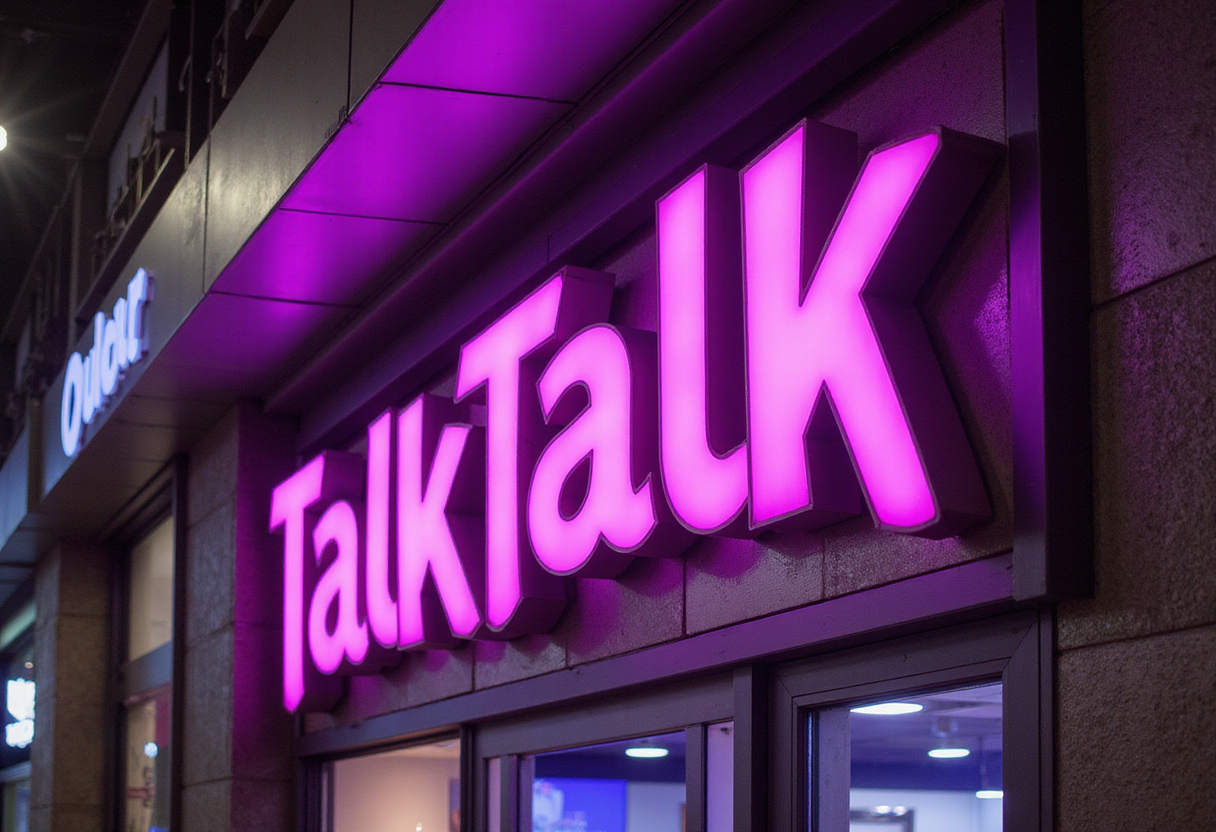
BT has confirmed a £400-million deal to acquire TalkTalk, consolidating the UK broadband market and raising immediate questions over wholesale competition.
 Telecom Business
Why it matters
- BT has confirmed the acquisition of TalkTalk for £400 million.
- The deal consolidates the UK consumer broadband market around the former incumbent.
- TalkTalk has historically been one of Openreach's largest wholesale customers.
- Regulatory review by the CMA and Ofcom oversight are the key conditions to watch.
The story
BT has confirmed it will acquire TalkTalk for £400 million, a deal that folds one of the UK's best-known budget broadband providers into the country's largest telecom group and materially reshapes the consumer connectivity market.
The confirmation ends months of speculation about the future of TalkTalk, a brand built on low-cost broadband and, in its early years, on aggressive challenges to BT's dominance in the fixed-line market. The £400-million price tag marks a striking reversal of fortunes: TalkTalk was spun out of the BT-controlled Carphone Warehouse era as a fierce independent competitor, and now returns to the incumbent's fold.
What does the £400 million deal change?
The immediate effect is consolidation. BT, which operates the UK's largest consumer broadband base alongside its Openreach wholesale network division, adds TalkTalk's subscriber base to its retail operations. For a price of £400 million, BT removes a persistent price competitor from the market and gains scale in the value segment where TalkTalk has traditionally been strongest.
The deal also tightens an already close commercial relationship. TalkTalk has long depended on Openreach's wholesale products to deliver services to its customers, making it one of BT's most significant wholesale customers as well as one of its sharpest retail rivals. Vertical integration of that kind — a wholesaler absorbing a major customer — is precisely the pattern that attracts regulatory scrutiny in European telecom markets.
Will regulators intervene?
Any acquisition of this size in UK telecommunications will require clearance, and the transaction is expected to draw close attention from the Competition and Markets Authority (CMA), with Ofcom monitoring the wholesale implications.
The central question for regulators is straightforward: does removing TalkTalk as an independent retail player reduce competition sufficiently to harm consumers, particularly in the low-cost segment? BT will argue the opposite — that the UK market remains intensely competitive, with altnet fibre builders expanding rapidly and pushing full-fibre coverage across the country, and that a stronger combined entity can invest with more confidence.
Ofcom's evolving framework for Openreach's wholesale pricing and equivalence obligations forms the regulatory backdrop. Any commitment BT offers on continued fair wholesale access will likely be central to securing approval.
Why is BT buying now?
The £400-million figure signals how far valuations in the UK ISP sector have compressed. TalkTalk built a national brand and millions of customers over two decades, and the price reflects both competitive pressure in the broadband market and the heavy capital demands of the fibre transition that smaller players struggle to fund independently.
For BT, the deal fits a broader strategy of defending retail scale while Openroll — Openreach — continues its full-fibre build across the UK. Adding TalkTalk's base strengthens BT's position against both Virgin Media O2 and the growing altnet sector.
The transaction now moves to regulatory review, with completion contingent on competition clearance. The outcome will signal how much further consolidation UK watchdogs are prepared to tolerate as the full-fibre investment cycle matures.
Also reported
Source: Google News: telecom mergers
More from Daniel Okafor
Show full bio
Senior reporter covering marketplaces and e-commerce at Telecom Gazette.
166 articles