Fiber & BroadbandMunicipal FiberAurora IllinoisBroadband InfrastructureMiddle Mile Network
Aurora, Illinois Mulls 60-Mile Underground Fiber Network
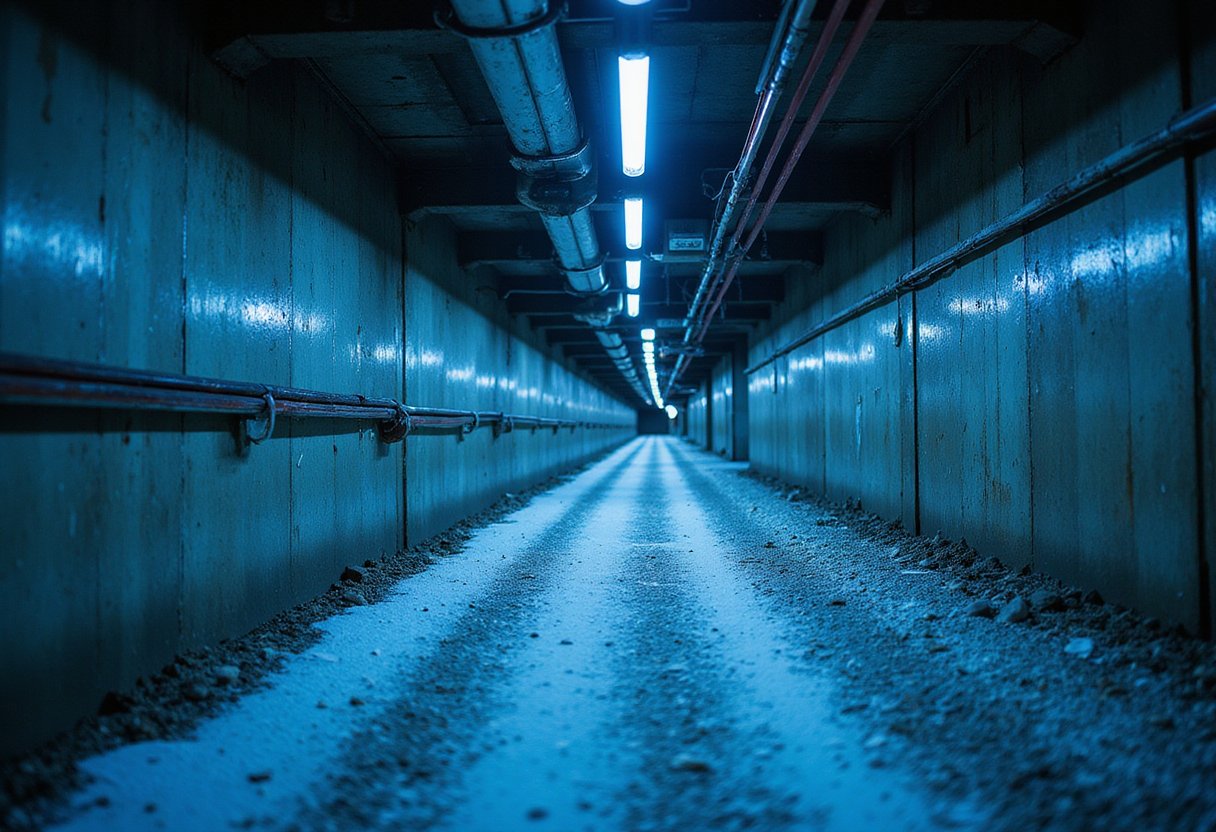
Aurora, Illinois is weighing a 60-mile underground fiber-optic network, per GovTech. The headline verb 'may run' signals a study or council-debate phase, not a confirmed build, and the source names no operator or capex.
 Fiber & Broadband
Why it matters
- Aurora, Illinois may build a 60-mile underground fiber-optic network, per GovTech
- The GovTech report names no vendor, operator, cost figure or completion date
- Aurora is Illinois's second-largest city by population
- A 60-mile fiber footprint in a city of Aurora's size suggests a middle-mile backbone rather than a full FTTH pass
- The headline verb 'may run' indicates a proposal or feasibility phase, not a confirmed project
The story
AURORA, Ill. — Aurora is weighing a 60-mile underground fiber-optic network, per a GovTech report — a headline short on specifics but generous in ambition.
The Illinois city has surfaced as the latest U.S. municipality to flirt with a city-owned broadband build. The GovTech item leaves most of the interesting questions unanswered: who would run the network, how it would be funded, when construction might actually begin, and whether residents or competing ISPs would touch it.
What the source actually says
The headline fact is exactly this: 60 miles, underground, fiber, Aurora, Illinois. That is the totality of substantive content in the source — light enough to fit on a postage stamp. No vendor name, no capex estimate, no completion date, no quoted official. Readers hunting for those particulars will need to wait.
What 60 miles likely signals
A 60-mile footprint in a city of Aurora's size — Illinois's second-largest by population — is not a citywide last-mile build. Sixty miles reads like a middle-mile backbone: the kind of fiber that strings together municipal buildings, schools, traffic cabinets and a handful of business parks. A full fiber-to-the-home pass in a city of Aurora's footprint typically runs into the low hundreds of miles of trenching. So the proposed scope is either a deliberate starter ring or a backbone play, not a Chattanooga-style gigabit-for-everyone statement.
Why bury the cable?
Cities that insist on underground fiber usually cite one of three reasons: storm resilience, aesthetics, or a pole owner who has said no. Aerial fiber on existing utility poles is faster and cheaper to deploy — often a fraction of underground cost per mile — but it sags, snaps and resembles laundry on a windy afternoon. Underground builds carry higher capex and longer timelines because of rights-of-way negotiation with water, sewer and gas utilities that got there first.
How would Aurora pay for it?
Municipal fiber in the U.S. generally follows one of three templates: a city-owned utility running retail service, a public-private partnership with a private ISP leasing city fiber, or a dark-fiber model in which the city builds and rents strands to commercial operators. Each carries different bond implications, different political risk and different competitive consequences for the cable and telco incumbents serving Aurora today. The GovTech item names none of these paths.
Why the verb "may" matters
The headline's verb is doing real work. "May run" suggests Aurora is still in a study, RFP or council-debate phase, not at ribbon-cutting. Readers should watch city council agendas in the weeks ahead to see whether the 60-mile figure hardens into a budget line or softens into a feasibility study. Until then, the network exists on paper and in a GovTech headline, not yet in the dirt.
The broader municipal fiber wave
Aurora joins a roster of mid-sized U.S. cities — Longmont, Colo.; Sandy, Ore.; Cedar Falls, Iowa — that have built or financed municipal fiber over the last decade. Most have done so in protest of incumbent service quality or pricing; some have done so because no incumbent would build fiber at all. The federal Broadband Equity, Access and Deployment program has lowered the political risk of municipal builds by covering much of the capex, though Aurora's eligibility and intent are not addressed in the source.
What to watch
Council vote or no council vote. RFP or no RFP. Bond issuance or grant application. Any of those would harden the 60-mile figure from a headline into a project. Without them, Aurora's fiber dream remains what every other municipal broadband proposal is until ground breaks: a press release.
Also reported
Source: Google News: fiber broadband
More from Amara Osei
Show full bio
News editor covering technology and product news in Carrier business, 5G and 6G, fiber and broadband at Telecom Gazette.
291 articles